Florida is once again updating its building codes—and if you live in the state, especially in coastal or hurricane-prone areas, these changes matter. The new 2026 Florida Building Code brings stricter requirements that could affect how homes are designed, built, and renovated. Even if your home already claims to be hurricane proof, a lot has changed.
Whether you’re planning a renovation, buying a home, or just curious if your current house meets the latest standards, this guide breaks it down into what matters most.
Understanding the New Florida Building Codes
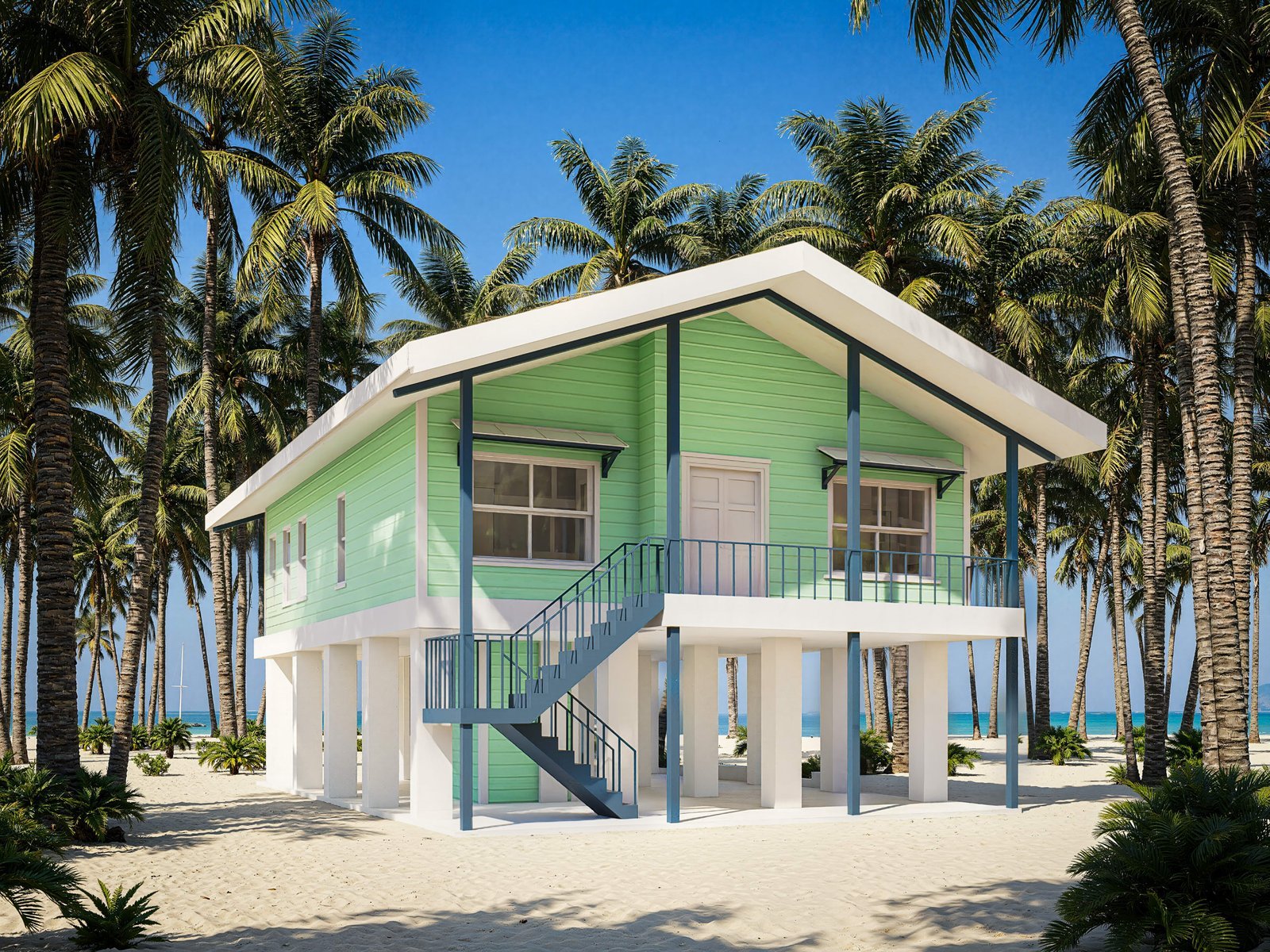
What Changed in the 2026 Florida Building Code?
The 2026 update focuses heavily on resilience, wind resistance, and water intrusion protection. These are key priorities given Florida’s exposure to tropical storms and hurricanes year after year.
Here’s what’s new:
Stronger Wind Load Requirements
Homes now must be designed for higher wind speeds in many areas—especially coastal zones. That means:
Roofs designed to stay intact at stronger gusts
Walls and frames tested for greater uplift and shear forces
Openings protected to resist wind pressure
💡 If your home was built before these standards, engineers may need to reassess key structural elements.
More Rigorous Roof-to-Wall Connections
A weak roof connection is one of the most common points of failure in hurricanes. The new code:
Increases the number and strength of fasteners
Requires stronger connectors (hurricane clips or straps)
Details stricter nailing patterns
Stronger Window and Door Protection
Approved systems for hurricane shutters or impact-resistant glass must now meet elevated testing standards. That means:
Larger windows have tougher requirements
Impact glazing must pass updated impact resistance tests
If your home claims to be hurricane-ready but still uses older rated shutters or E-rated glass systems, it may no longer comply.
Flood and Water Intrusion Protections
Especially in V-zones and flood-prone areas, the code adds:
More stringent freeboard elevation requirements
Foundation designs to allow storm surge water to pass without collapsing
Better drainage and waterproofing for basements and crawl spaces
What Does This Mean for Your Home?
If You’re Building New
You’ll likely need:
Upgraded structural plans from a Florida-licensed engineer
Certified wind-resistant materials
Inspectors who know the 2026 code specifics
Possibly higher insurance premiums offset by lower long-term risk
If You’re Renovating an Existing Home
Renovations that “trigger code compliance” may require upgrades like:
Roof-to-wall connection reinforcement
Replacement of windows/doors with higher rated impact products
Foundation elevation or flood mitigation
💡 “Triggering compliance” means if you replace or alter major structural components, inspectors might require those elements to meet the latest code.
If You’re Buying or Selling a Home
Whether a property is truly compliant affects:
Insurance eligibility and rates
Mortgage underwriting
Buyer confidence and resale value
Long-term safety and maintenance costs
Always ask for a compliance evaluation or letter from a certified inspector.
Common Misconceptions
“My house is hurricane proof — it doesn’t need upgrades.”
Not necessarily. Terms like hurricane proof or storm resistant became marketing buzzwords. Unless tied to specific certifications under the latest code, they do not guarantee compliance.
“New code only affects new homes.”
Not always. Major renovations, additions, or structural repairs can require bringing parts of an older home up to current standards.
Practical Steps to Check Compliance
Review your building permit history
See what code version your home was built under.Hire a licensed Florida structural inspector or engineer
They can compare your home to 2026 standards.Check your hurricane protection systems
Are shutters and impact glass rated to the new requirements? Labels and certifications should match the newest tests.Ask your insurance provider what they require
Many insurers now ask proof of compliance for policy issuance or renewal.Assess flood risk separately
Wind and flood compliance are related but distinct—both matter.
Why This Matters Now
Florida’s coastal growth continues, and storms are unpredictable. A compliant home isn’t just about passing inspections—it’s about protecting your investment, your family, and your peace of mind.
A code-compliant home may also qualify for:
Lower insurance costs
Better resale value
Fewer repair costs after severe storms
Final Takeaway
The 2026 Florida Building Code is raising the bar, especially for hurricane readiness. Even if your home was previously labeled hurricane proof, it may need updates to truly comply with the current standards. The safest and smartest move is to have an expert evaluate your home so you know where you stand.
If you’re unsure where to start, a structural inspection is worth every penny—nothing is more valuable than knowing your home will protect what matters most.