Every year, Florida enters a period that locals respect, and newcomers often underestimate — hurricane season. From powerful coastal storms to days of heavy rain and flooding, hurricanes shape life in the Sunshine State more than most people realize.
Whether you live in Florida year-round, own coastal property, or plan to visit, understanding hurricane season isn’t just helpful — it’s essential for safety, planning, and peace of mind. This guide explains when hurricane season occurs, what risks Florida faces, and how homeowners and travelers can prepare effectively.
Hurricane Season in Florida Starts June – Are You Prepared?
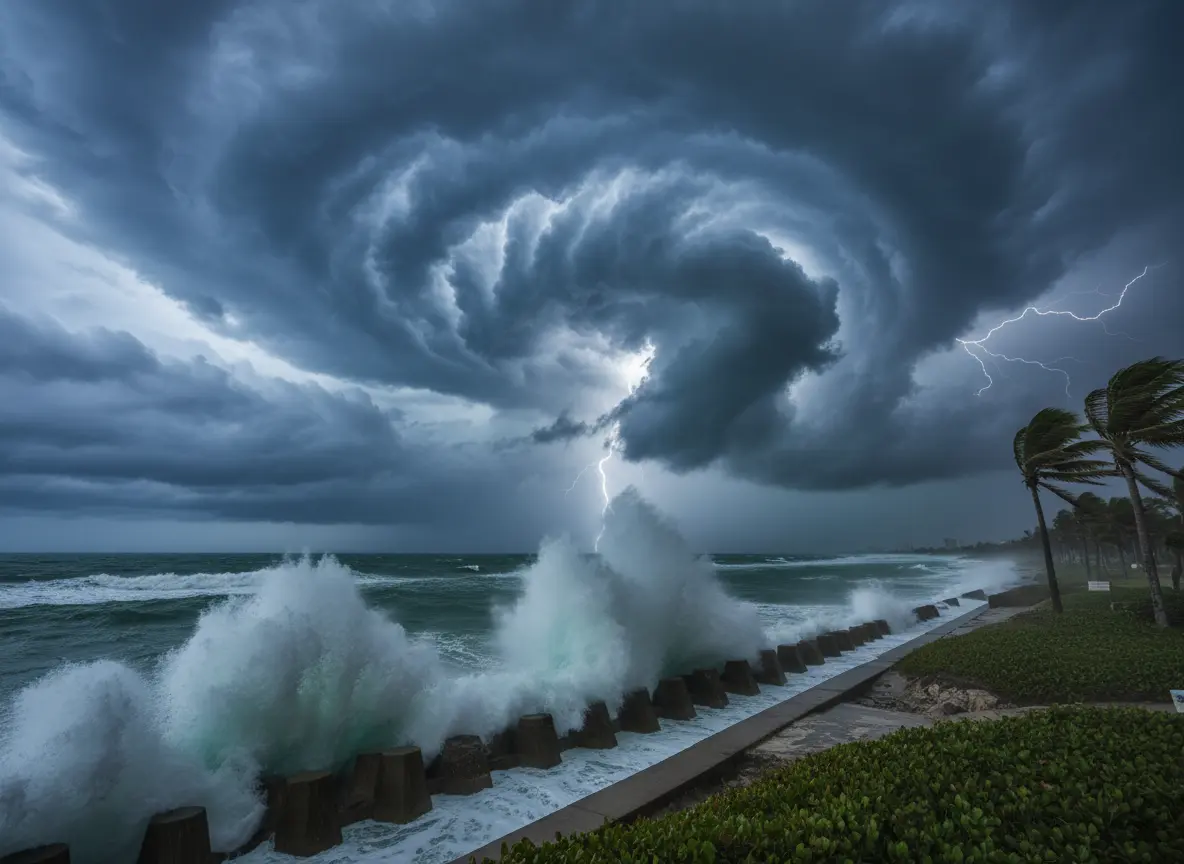
When Is Hurricane Season in Florida?
Hurricane season in Florida officially runs from June 1 through November 30, with peak activity typically between August and October.
During these months:
Ocean waters are warm enough to fuel storms
Tropical waves from the Atlantic increase
Storms can develop rapidly and intensify quickly
September historically sees the most hurricane landfalls in Florida.
Even outside peak months, storms can form unexpectedly — which is why preparation is always recommended before summer begins.
Why Florida Is So Vulnerable to Hurricanes
Florida experiences more hurricanes than any other U.S. state. The reason is geography.
The state is surrounded by warm water on three sides:
Atlantic Ocean
Gulf of Mexico
Caribbean storm tracks
Its long coastline and low elevation increase exposure to storm surge and flooding.
For coastal communities like Tampa Bay, Miami, and the Florida Panhandle, hurricanes are a recurring reality — not a rare event.
Major Hurricane Risks in Florida
Many people think hurricanes are only about strong winds. In reality, most damage in Florida comes from water.
Storm Surge
Storm surge is the most dangerous hurricane hazard.
It occurs when ocean water is pushed inland by storm winds, causing rapid coastal flooding. In low-lying Florida communities, surge can travel miles inland.
Flooding Rain
Slow-moving hurricanes can drop extreme rainfall.
Flooding often affects:
Inland homes
Roads and highways
Drainage systems
Rivers and canals
Even areas far from the coast can flood during hurricanes.
Destructive Winds
Hurricane-force winds can exceed 111 mph.
These winds can:
Tear roofs off homes
Break windows
Knock down trees and power lines
Damage structures
Older homes are especially vulnerable compared to modern hurricane-resistant construction.
How Hurricane Season Affects Florida Homeowners
For homeowners, hurricane season impacts daily life and long-term property decisions.
Insurance costs often increase in coastal counties due to storm risk. Maintenance and preparation also become annual responsibilities.
Homeowners typically prepare by:
Installing storm shutters
Securing outdoor items
Checking roof condition
Clearing drainage systems
Reviewing insurance coverage
Many Florida residents also keep emergency supplies ready throughout the season.