If you live along the Florida coast, hurricanes are not just headlines—they are personal. Every storm season raises the same fears about safety, flooding, and costly repairs. The reality is that most traditional homes were never built as Hurricane-Resistant Homes in Coastal Zones, leaving many coastal families vulnerable to severe wind and storm surge damage.
Hurricane-Resistant Homes in Coastal Zones
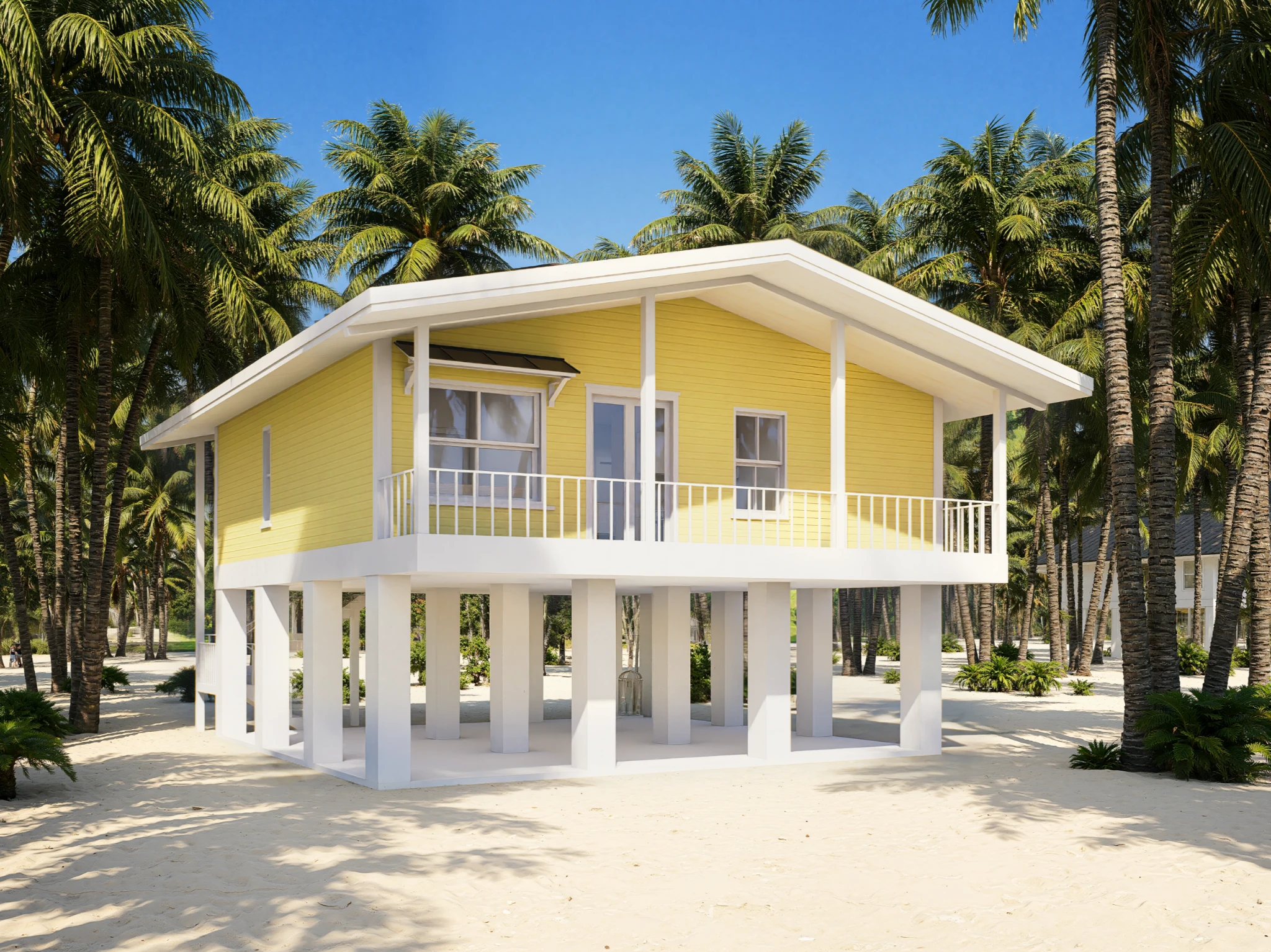
The good news is that building hurricane-resistant homes in coastal zones is not only possible—it’s proven, practical, and increasingly necessary for long-term safety and peace of mind.
Why Coastal Homes Need Special Hurricane Protection
Coastal areas face a combination of forces that inland homes rarely experience at the same time.
The Biggest Risks in Coastal Zones
Extreme wind speeds that create uplift pressure
Storm surge is pushing seawater inland
Flying debris breaking windows and doors
Soil erosion is weakening foundations
When these forces hit together, weak construction fails fast. Many homes are lost not because the storm was unstoppable, but because the home was not engineered to resist it.
What Makes a Home Truly Hurricane-Resistant?
A hurricane-resistant home is not built with one upgrade or one product. It is a complete system, where every part of the structure supports the other.
Core Features of Hurricane-Resistant Homes
Deep, reinforced foundations
Continuous load path from roof to ground
Wind-rated roofing systems
Impact-resistant windows and doors
Elevated design for flood protection
When these elements work together, the home doesn’t fight the storm—it endures it.
Strong Foundations Are the First Line of Defense
In coastal zones, the foundation decides whether a home stands or shifts.
Best Foundation Choices for Coastal Areas
Elevated pile foundations in flood zones
Reinforced concrete slabs
Deep anchoring systems to resist uplift
Elevation is critical. Homes built above base flood elevation suffer far less damage during storm surge events. A few extra feet of elevation can save tens of thousands of dollars in repairs.
Wind-Resistant Structural Design Saves Lives
Many homeowners don’t realize that homes fail during hurricanes because of connection failure, not material weakness.
How Hurricane-Resistant Structures Work
Roofs are secured to walls using hurricane straps
Walls are reinforced and tied directly to the foundation
Structural loads are transferred safely to the ground
Steel or reinforced concrete framing replaces weak wood systems
Steel-framed construction performs exceptionally well in high-wind coastal zones because it does not warp, crack, or rot over time.
Roof Design Can Make or Break a Coastal Home
Roof loss is one of the most common causes of total home failure during hurricanes.
Smart Roofing Solutions for Coastal Zones
Hip roofs that allow wind to flow smoothly
Metal roofing systems with concealed fasteners
Reinforced roof decking
Reduced overhangs to prevent uplift
A properly designed roof reduces pressure instead of resisting it, which significantly improves survival during major storms.
Impact-Resistant Windows and Doors Are Essential
Once a window breaks, wind pressure builds inside the home and can cause catastrophic structural failure.
Proven Window and Door Protection
Impact-rated glass windows
Reinforced hurricane doors
Storm shutters as additional defense
Beyond storm protection, impact windows also improve energy efficiency, reduce noise, and often lower insurance premiums for Florida homeowners.
Flood-Resistant Materials Reduce Long-Term Damage
Flooding is often unavoidable in coastal hurricanes. The goal is not just survival—but faster recovery.
Materials That Perform Better After Flooding
Concrete and steel framing
Closed-cell insulation
Tile or polished concrete flooring
Mold-resistant interior finishes
Avoid materials that trap moisture, such as carpet and untreated wood, especially at lower levels of the home.
Florida Coastal Building Codes Exist for a Reason
Florida has some of the strictest coastal building codes in the country—and for good reason.
What Coastal Codes Focus On
Wind ratings exceeding 150 mph
Flood elevation requirements
Structural reinforcement standards
Impact testing for openings
Homes that meet or exceed these codes consistently suffer less damage and retain higher property value.
The Long-Term Benefits of Hurricane-Resistant Homes
Many homeowners worry about cost, but hurricane-resistant construction is a long-term investment.
Real Benefits Over Time
Lower insurance premiums
Higher resale value
Fewer repairs after storms
Faster recovery after hurricanes
Peace of mind for your family
A stronger home doesn’t just protect property—it protects your future.
Common Mistakes Coastal Homeowners Should Avoid
Some mistakes repeatedly lead to expensive losses:
Hiring builders without coastal experience
Ignoring flood maps and elevation data
Choosing appearance over structural safety
Using non-rated windows and roofing
Underestimating future storm intensity
Hurricanes are getting stronger. Homes must be built to match that reality.
Final Thoughts
Building hurricane-resistant homes in coastal zones is no longer optional for Florida homeowners—it’s essential. When the next storm arrives, the difference between disaster and safety often comes down to how the home was built.
If you are planning to build or upgrade a coastal home, working with experienced professionals who understand Florida’s coastal conditions makes all the difference.
For expert guidance on hurricane-resistant home construction in Florida, contact:
Florida Steel Homes
📞 786-610-6398
📧 info@FloridaSteelHomes.com
📍 16104 4th St E, Redington Beach, FL 33708
A stronger home today means fewer worries tomorrow—no matter what the next hurricane brings.