If you live in Florida, hurricanes are not a “maybe” — they are a reality. Hurricane resistant homes use stronger structures like steel framing, impact windows, reinforced roofs, and flood-smart foundations. These features can reduce damage, lower insurance stress, and protect your family. If you’re building or buying, storm resistance should be a top priority — not an upgrade.
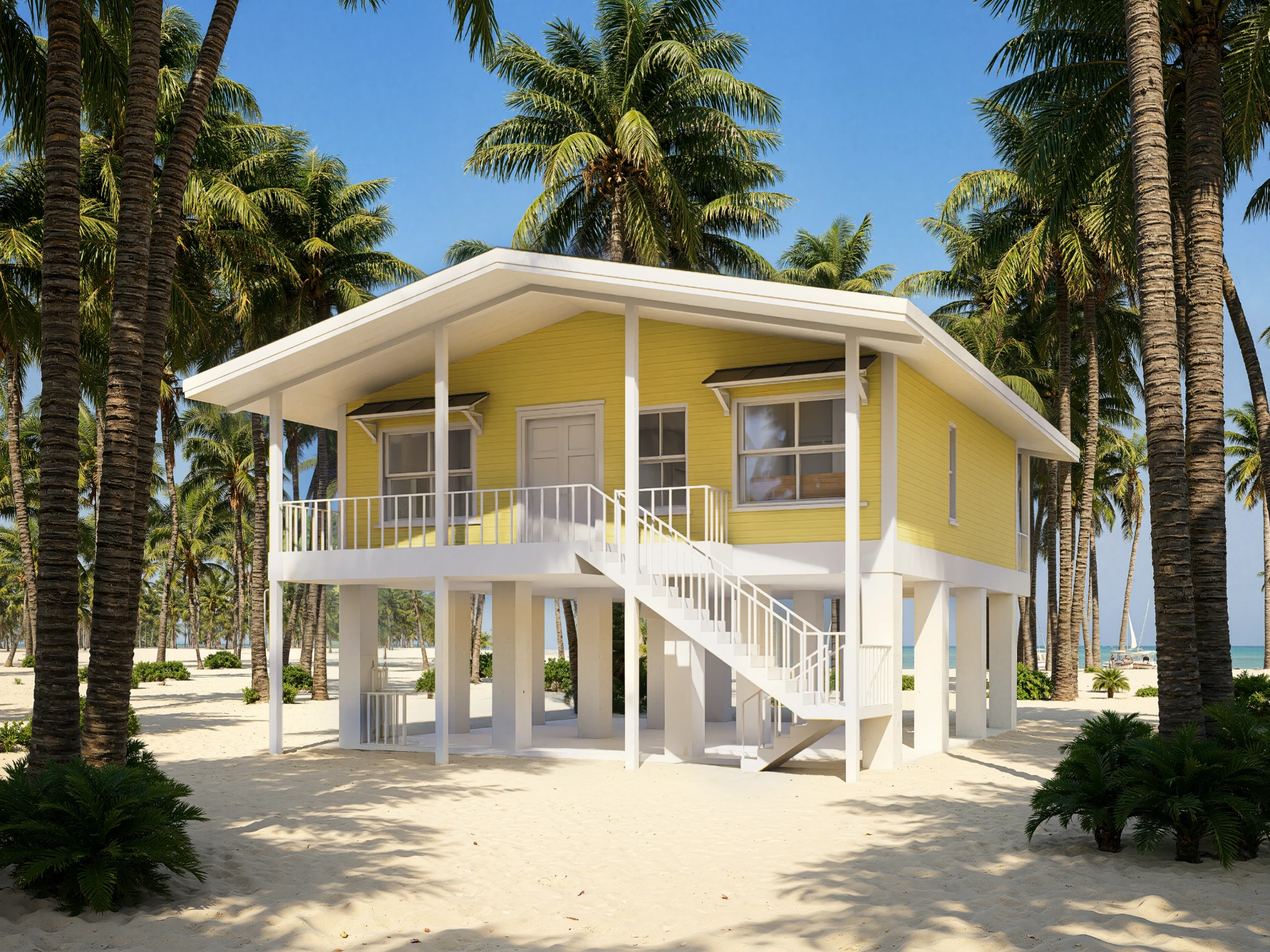
Why Hurricane Resistant Homes Matter More Than Ever in Florida
If you’ve lived through even one Florida storm season, you already know the feeling — watching the weather radar, checking supplies, and hoping your home holds up.
Traditional construction methods often focus on cost and speed. But hurricanes don’t care about budget builds. Wind pressure, flying debris, roof uplift, and water intrusion are the real tests.
I’ve seen many homeowners say the same thing after a major storm:
“We thought the house was strong — until the wind proved otherwise.”
A hurricane-resistant home is designed differently from day one. It’s not just about thicker walls — it’s about engineering for survival.
What Makes a Home Hurricane Resistant?
A truly storm-resistant home is built as a system — every part supports the other.
Strong Structural Frame
The frame is the skeleton of your home.
Best-performing options:
Steel frame construction
Reinforced concrete systems
Engineered structural panels
Properly anchored load paths
Steel frames are especially popular in hurricane zones because they:
Don’t rot
Don’t warp
Don’t attract termites
Maintain strength under stress
Impact-Rated Windows and Doors
Regular glass breaks easily under debris impact. Hurricane-rated systems are tested to withstand:
High wind pressure
Flying objects
Rapid pressure changes
This reduces internal pressure buildup — one of the main causes of roof failure.
Reinforced Roof Systems
Roof failure is one of the most common storm damages.
Key upgrades include:
Hurricane clips and straps
Continuous load path connections
Sealed roof decks
Wind-rated shingles or metal roofing
Proper edge fastening
Elevated and Flood-Aware Foundations
Wind is only half the story — water causes massive losses too.
Flood-smart design includes:
Elevated slab or pier foundations
Proper grading and drainage
Water-resistant materials at lower levels
Steel Frame Homes vs Traditional Wood Homes in Hurricane Zones
Let’s talk honestly — most Florida homes are still wood-framed. And while wood can meet code, performance under extreme stress varies.
Steel Frame Advantages
Higher wind resistance
No termite damage
No moisture rot
More dimensional stability
Better structural consistency
Stronger connection systems
Wood Frame Limitations
Can weaken with moisture
Vulnerable to pests
Can twist or shift over time
Connection strength depends heavily on workmanship
For coastal and high-risk wind zones, many new buyers are now specifically asking for steel structural systems.
Florida Building Codes — Good but Not the Finish Line
Florida has some of the strictest building codes in the U.S. — and that’s a good thing.
But here’s what many buyers don’t realize:
Code is the minimum — not the maximum.
Two homes can both be “code compliant” yet perform very differently in a real storm, depending on:
Material quality
Fastener type
Engineering design
Installation accuracy
Structural system choice
Smart homeowners build above code when possible.
Insurance and Long-Term Cost Benefits
Many buyers focus only on the construction cost. But hurricane-resistant homes often reduce long-term risk costs.
Possible financial benefits:
Lower insurance stress after storms
Better insurability
Reduced repair costs
Less downtime after damage
Higher resale confidence
Stronger buyer appeal
Think of it like this:
You’re not just building a house — you’re buying peace of mind.
Practical Tips Before You Build or Buy
If you’re planning a new home in Florida, ask these questions:
Ask the Builder
What wind speed is this home engineered for?
Is the frame steel, wood, or hybrid?
Are load paths continuous from the roof to the foundation?
Are windows impact-rated?
How is the roof secured against uplift?
Check the Specs — Not Just the Brochure
Marketing words can be vague. Ask for:
Engineering drawings
Wind ratings
Product certifications
Material specifications
Visit a Build Site
Seeing the structure during construction tells you more than a finished model home ever will.
Location Still Matters
Even the strongest home performs best when placed smartly.
Consider:
Flood zone maps
Elevation levels
Soil conditions
Coastal exposure
Wind corridor positioning
A well-built home in a smart location is the safest combination.
Common Mistakes Florida Buyers Make
I see these again and again:
Choosing the lowest bid only
Ignoring structural system details
Skipping impact windows to save cost
Not upgrading roof connections
Trusting marketing words without proof
Thinking “code compliant” means stormproof
Storm safety is not the place to cut corners.
When a Hurricane-Resistant Home Is Worth It
Short answer: almost always in Florida — especially if you are:
A coastal homeowner
A new construction buyer
A long-term resident
A family planning to stay 10+ years
An insurance-conscious owner
The value shows up when the storm hits — not before.
Local Expert Support for Hurricane-Resistant Homes
If you’re exploring hurricane-resistant steel homes in Florida, professional guidance makes a big difference in design, engineering, and execution.
You can speak with a local specialist here:
Florida Steel Homes
📞 786-610-6398
📧 info@FloridaSteelHomes.com
📍 16104 4th St E, Redington Beach, FL 33708
Getting expert input early can help you avoid costly structural mistakes later.
FAQs — Quick Answers for Florida Homeowners
Can a hurricane-resistant home survive Category 4–5 storms?
Well-engineered homes designed for high wind loads with proper materials and connections can significantly reduce failure risk — but no structure is “damage proof.” Design quality matters.
Are steel homes safer in hurricanes?
Steel structural systems generally provide higher strength, better connection reliability, and improved resistance to moisture and pests compared to wood framing.
Do impact windows really make a difference?
Yes. They reduce breakage risk and help prevent internal pressure buildup that can cause roof and wall failure.
Is it more expensive to build hurricane-resistant?
Upfront cost can be higher, but lifetime risk cost is often lower.