If you’re wondering What materials are recommended for hurricane-proof home construction in Florida?, the best options include reinforced concrete, structural steel, insulated concrete forms (ICFs), impact-resistant windows, hurricane-rated doors, and metal roofing systems. These materials help homes withstand Florida’s extreme winds, flying debris, heavy rain, and storm surge risks.
Living in Florida means enjoying beautiful beaches, warm weather, and coastal views. Unfortunately, it also means preparing for hurricane season every year.
One question I hear repeatedly from homeowners is: What materials are recommended for hurricane-proof home construction in Florida? The answer can make the difference between minor repairs and devastating property damage after a major storm.
Need a Hurricane Proof Home in Florida?
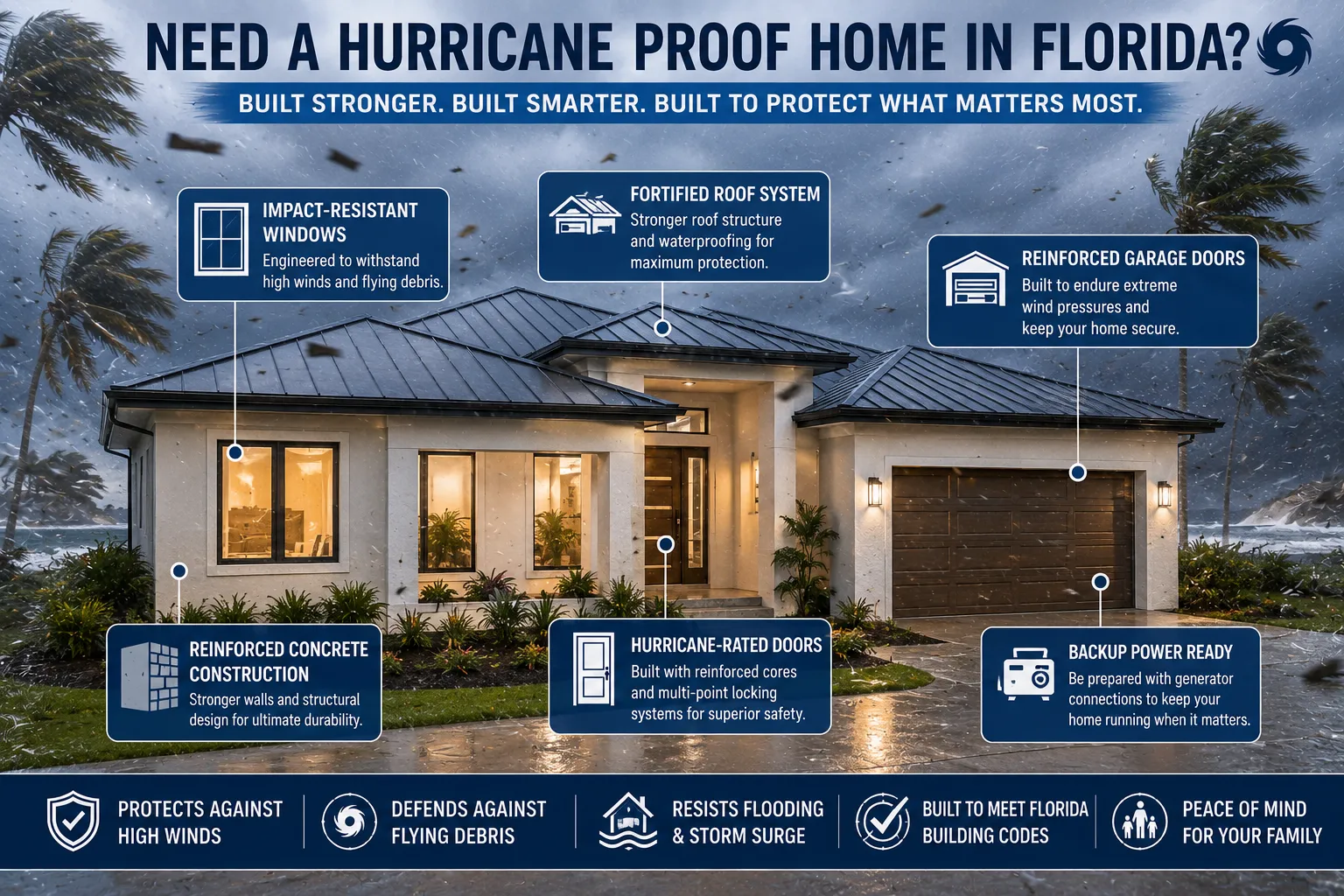
Whether you’re planning a new build or upgrading an existing property, choosing the right construction materials is the first step toward protecting your investment.
📞 786-610-6398
📧 info@FloridaSteelHomes.com
📍 16104 4th St E, Redington Beach FL 33708
Many homeowners focus on appearance first and structural strength second. After researching storm-resistant construction projects across Florida, I’ve noticed that the strongest homes always prioritize durability before aesthetics.
Let’s look at the materials that perform best when hurricane-force winds arrive.
Why Material Choice Matters in Florida
Florida Faces Unique Weather Challenges
Florida homes must handle the following:
- Hurricane-force winds exceeding 150 mph
- Flying debris impacts
- Heavy rainfall
- Coastal flooding
- Salt-air corrosion
A material that works perfectly in other states may not perform well in Florida’s climate.
Building Codes Are Becoming Stronger
Florida’s building regulations continue evolving as engineers learn from past storms. Modern hurricane-resistant homes built in 2026 often perform significantly better than older structures.
Long-Term Savings Matter
While stronger materials cost more upfront, they can reduce:
- Repair expenses
- Insurance claims
- Maintenance costs
- Storm-related downtime
The next section covers the materials professionals trust most.
Best Structural Materials for Hurricane Resistance
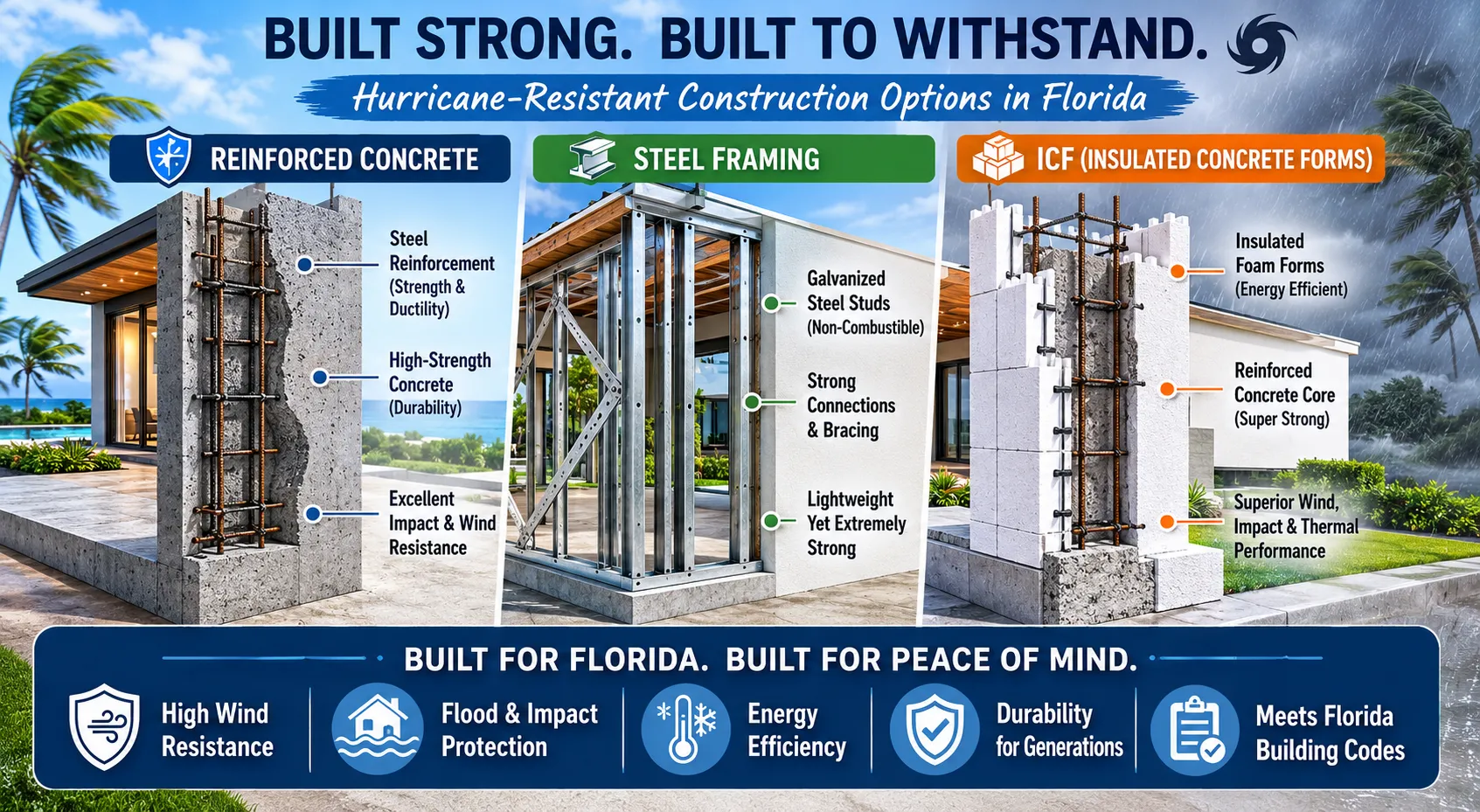
Reinforced Concrete
Reinforced concrete remains one of the strongest construction materials available.
Benefits include:
- Exceptional wind resistance
- Fire resistance
- Low maintenance
- Long lifespan
Many Florida coastal homes use concrete walls because they resist both wind pressure and debris impacts.
Structural Steel Framing
Steel-framed homes have become increasingly popular across Florida.
Advantages include:
- High strength-to-weight ratio
- Resistance to termites
- Better structural stability
- Reduced risk of warping
I’ve seen steel structures remain remarkably intact even when neighboring wood-framed buildings suffered significant damage.
Insulated Concrete Forms (ICFs)
ICFs combine reinforced concrete with insulating foam forms.
Homeowners appreciate them because they provide:
- Excellent hurricane resistance
- Energy efficiency
- Noise reduction
- Moisture protection
What Roofing Materials Perform Best During Hurricanes?
Standing Seam Metal Roofing
Metal roofing has become a preferred choice for hurricane-resistant construction.
Key benefits:
- Wind ratings exceeding 140–180 mph
- Long service life
- Minimal maintenance
- Strong attachment systems
Concrete Roof Tiles
Concrete tiles can perform well when properly installed with hurricane-rated fastening systems.
However, installation quality is critical.
Secondary Water Barriers
Even the strongest roof covering can fail if water penetrates underneath.
Modern Florida homes increasingly include:
- Waterproof underlayment
- Sealed roof decks
- Enhanced flashing systems
These layers create additional protection when storms become severe.
Which Windows and Doors Offer the Best Protection?
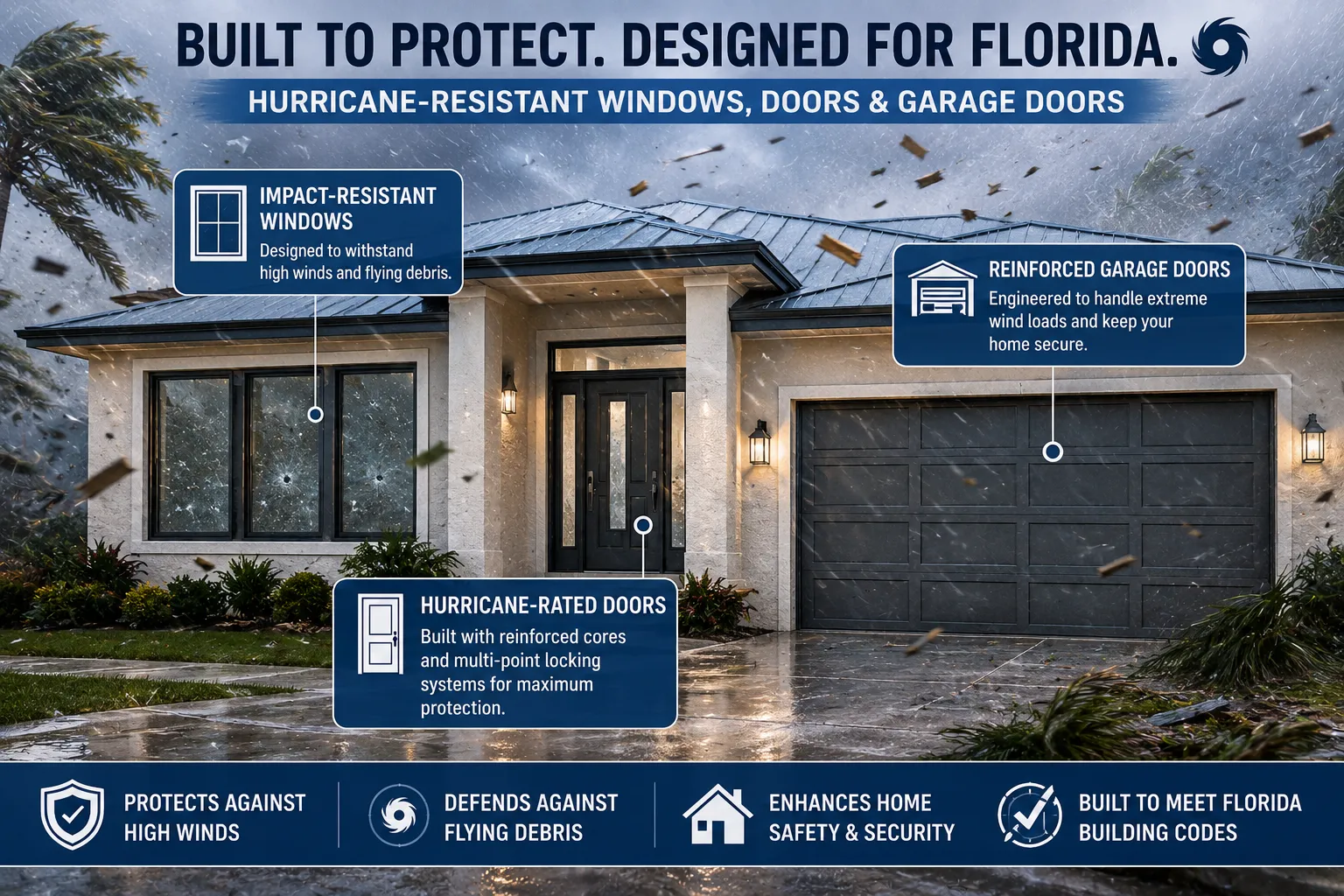
Impact-Resistant Windows
Impact windows use laminated glass designed to resist debris strikes.
Benefits include:
- Storm protection
- Noise reduction
- UV protection
- Improved security
Hurricane-Rated Exterior Doors
A weak entry door can compromise an otherwise strong home.
Look for:
- Reinforced frames
- Heavy-duty hinges
- Certified hurricane ratings
Garage Door Reinforcement
Many homeowners overlook garage doors.
In reality, garage door failure can create internal pressure that damages an entire roof system.
Comparison Table of Hurricane-Resistant Materials
| Material | Wind Resistance | Durability | Maintenance |
|---|---|---|---|
| Reinforced Concrete | Excellent | Excellent | Low |
| Structural Steel | Excellent | Excellent | Low |
| ICF Construction | Excellent | Excellent | Low |
| Wood Framing | Moderate | Moderate | Moderate |
| Metal Roofing | Excellent | Excellent | Low |
| Impact Windows | Excellent | High | Low |
Common Mistakes Florida Homeowners Make
Choosing Materials Based Only on Cost
The cheapest option often becomes the most expensive after a hurricane.
Ignoring Connection Systems
Strong materials alone aren’t enough.
Roof-to-wall connections, anchors, straps, and fasteners play a huge role in overall performance.
Overlooking Corrosion Resistance
Coastal Florida homes need corrosion-resistant fasteners and hardware to withstand salty air.
Many failures occur because connectors rust long before the primary structure weakens.
Pros and Cons of Popular Hurricane-Proof Materials
Reinforced Concrete
Pros
- Exceptional strength
- Long lifespan
- Low maintenance
Cons
- Higher construction cost
- Longer build times
Structural Steel
Pros
- Strong and lightweight
- Pest resistant
- Precise engineering
Cons
- Higher material costs
- Requires corrosion protection near coastlines
ICF Construction
Pros
- Hurricane resistant
- Energy efficient
- Quiet interior environment
Cons
- Higher upfront investment
- Specialized contractors may be required
Ready to Build a Stronger Florida Home?
Protecting your family starts with choosing materials designed for Florida’s toughest weather conditions.
📞 786-610-6398
📧 info@FloridaSteelHomes.com
📍 16104 4th St E, Redington Beach FL 33708