Florida home design in 2026 is all about stronger structures, smarter materials, storm-focused layouts, backup power, and energy efficiency. New builds are focusing on steel frames, impact-rated openings, wind-tested roofs, flood-aware foundations, and solar + battery systems so families stay safer and more comfortable during hurricane season.
2026 Hurricane Home Design Florida
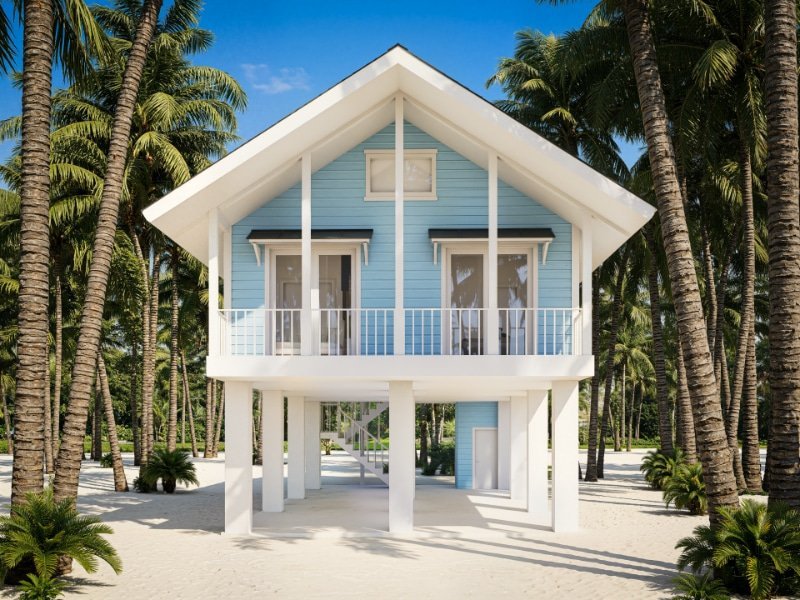
If you live in Florida — or you’re planning to buy or build here — you already know one truth: storms are not “rare events” anymore. They are part of life. I’ve seen many homeowners focus on looks first and safety later… and honestly, that order usually costs more in the long run.
In 2026, hurricane-ready design is no longer a niche — it’s becoming the standard. Let’s walk through the biggest design trends Florida homeowners and new buyers should know before starting their next home project.
Stronger Structural Frames Are Becoming the First Choice
One of the biggest shifts I’m seeing is homeowners asking about the actual skeleton of the house, not just finishes and floor plans.
Instead of only wood framing, more builds are moving toward:
Steel structural frames
Reinforced concrete systems
Hybrid structural designs
Continuous load-path engineering (roof-to-foundation tie systems)
Why this matters:
Better resistance against 180+ mph wind forces
Less warping, rotting, or termite damage
Longer structural lifespan
Lower long-term maintenance stress
Many buyers now ask: “What is the wind rating of this house?” — something that almost nobody asked 10 years ago.
Roof Systems Designed Specifically for Hurricane Zones
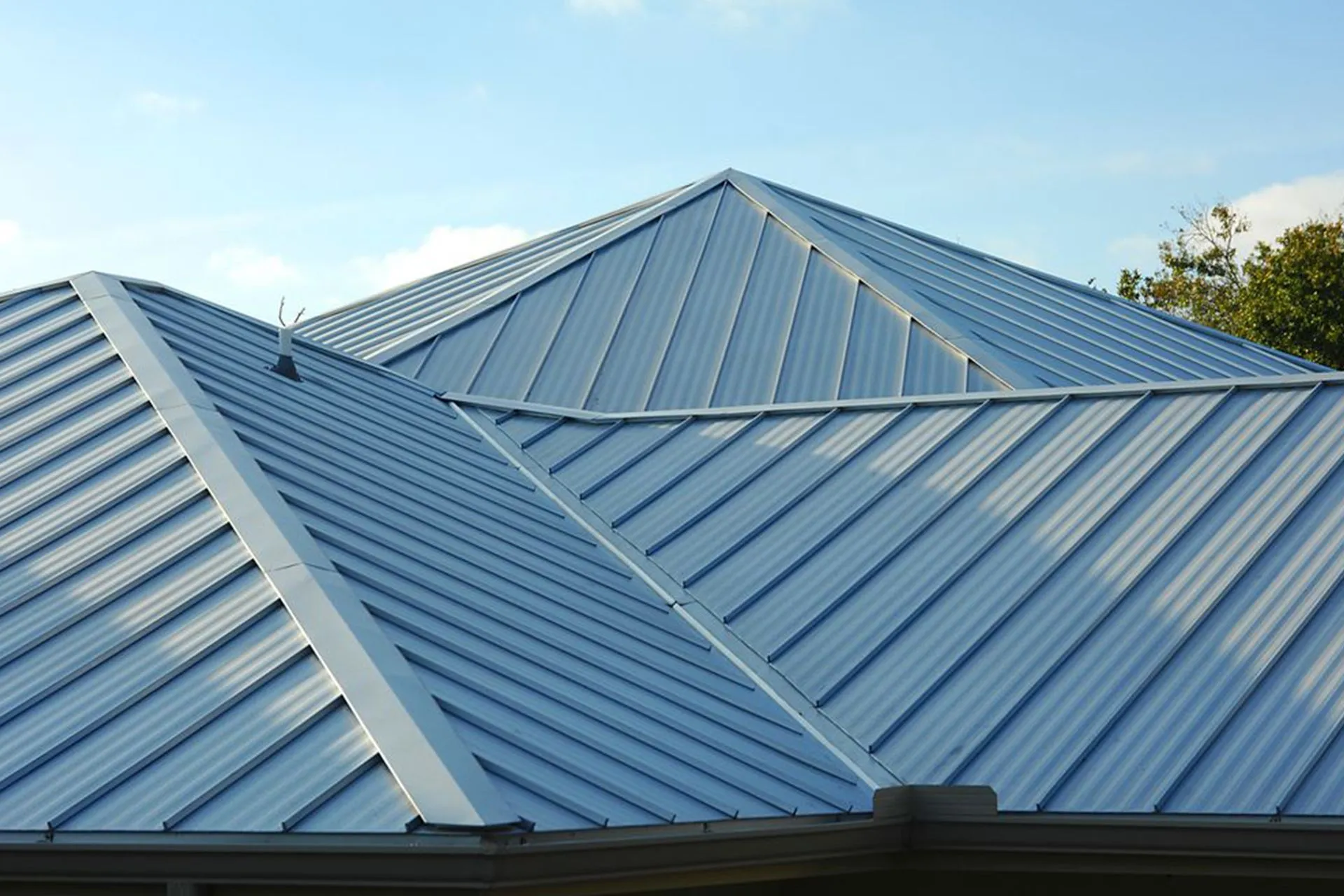
Roofs used to be selected mostly for appearance. Not anymore.
In 2026, hurricane-zone roof design focuses on wind behavior, not just style.
Trending roof upgrades:
Standing seam metal roofs
Interlocking panel systems
Hurricane straps and clips at every connection point
Reduced overhang designs to limit wind uplift
Secondary water barriers under roof panels
Practical benefit: Even if outer material gets damaged, the inner barrier reduces interior water intrusion — which saves thousands in repair costs.
Impact-Rated Windows and Doors Are Now Standard, Not Optional
Broken windows are often the turning point where storm damage becomes catastrophic. Once wind enters, pressure builds — and failures multiply fast.
That’s why 2026 builds are leaning toward:
Laminated impact glass
Reinforced door frames
Multi-point locking systems
Tested debris-impact ratings
Pressure-rated sliding doors
Homeowners like these because they also bring:
Better noise reduction
Improved security
Energy efficiency
Possible insurance discounts
It’s one of the few upgrades that helps in storms and daily living.
Flood-Aware Foundation Planning Is Getting Smarter
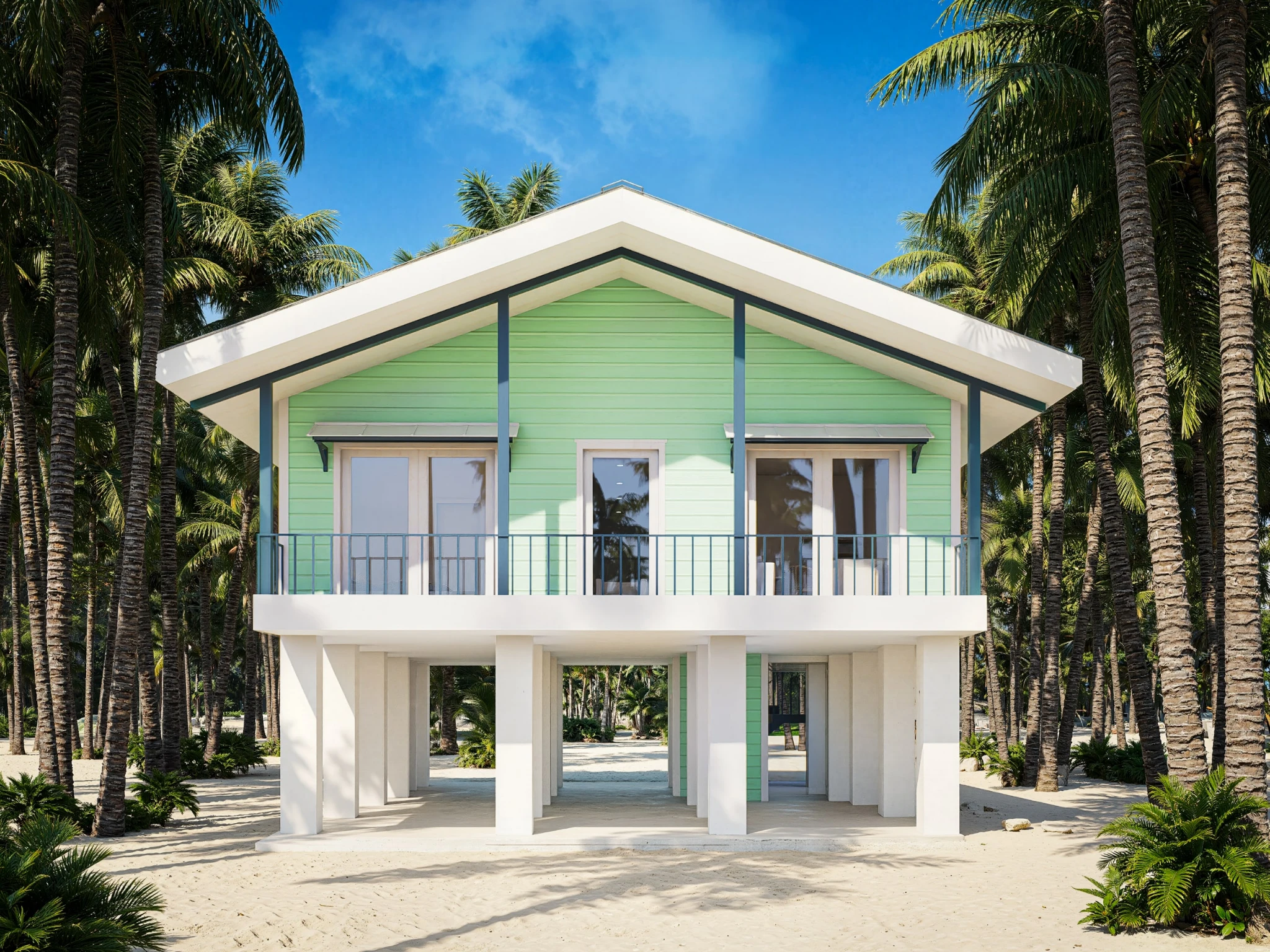
Flood maps across Florida keep changing. Smart home design now starts with site risk first, layout second.
Popular approaches include:
Pier and beam foundations
Flood-vent wall systems
Breakaway lower wall designs
Raised finished-floor heights above base flood levels
Real-world example: I’ve seen two homes on the same street — one built just above code minimum, another built a bit higher. After a surge event, one needed full gut renovation, the other needed only cleanup. Small height differences matter more than people think.
Compact, Wind-Friendly Home Shapes
Designers are quietly changing home geometry to behave better in high winds.
Trending layout choices:
Cleaner roof lines
Fewer complex roof intersections
Balanced massing
Less decorative overhang exposure
Tighter building envelopes
This doesn’t make homes boring — it makes them more aerodynamic and more survivable.
Solar + Battery Backup Is Moving From Luxury to Practical Need
Power outages after hurricanes can last days — sometimes longer. That’s pushing more Florida buyers toward built-in energy backup.
Most requested systems now include:
Rooftop solar arrays
Whole-home battery storage
Critical-load backup panels
Generator integration options
Benefits homeowners mention most:
Keep fridge and medical devices running
Maintain cooling during outages
Reduce monthly power bills
Add resale value
Energy independence is no longer just about savings — it’s about storm recovery speed.
Moisture and Mold Defense Built Into Materials
Post-storm mold damage is one of the most expensive hidden problems. So 2026 material trends are focusing heavily on moisture control.
Popular material choices:
Mold-resistant wall boards
Closed-cell insulation systems
Steel framing instead of untreated wood
Moisture-managed wall assemblies
Sealed attic systems
This is especially important for coastal and high-humidity zones like Pinellas County, Clearwater, and beach communities.
Outdoor Design That Reduces Storm Risk
Landscaping is finally being treated as part of storm design — not just decoration.
Smart exterior planning includes:
Deep-rooted native plants
Wind-resistant tree placement
Permeable driveway systems
Controlled drainage paths
Minimal loose yard debris zones
I always tell homeowners: the safest yard during a storm is the one with the fewest flying objects.
Budget-First Design Is Becoming a Major Trend
This one is less flashy — but extremely important.
More builders now start with:
Budget → risk zone → structure → design → finishes
Instead of the old model:
Design → upgrades → cost shock
Florida buyers are asking for:
Transparent build pricing
Storm-rated feature packages
Insurance-impact estimates
Lifecycle cost comparisons
This prevents the painful situation where a beautiful design becomes financially unrealistic halfway through planning.
Common Florida Homeowner Problems — And What These Trends Solve
Problem: Roof damage in high winds
Design Trend Solution: Reinforced roof systems + metal panels
Problem: Broken windows from debris
Solution: Impact-rated glass systems
Problem: Flood repair costs
Solution: Flood-aware foundation planning
Problem: Long power outages
Solution: Solar + battery backup
Problem: Rising insurance premiums
Solution: Storm-rated structural features
Final Thoughts for Florida Buyers in 2026
If you’re building or buying in Florida now, hurricane-ready design isn’t an upgrade — it’s smart planning.
The good news? Modern storm-focused homes don’t look like bunkers anymore. Today’s designs combine:
Strength
Energy efficiency
Modern style
Long-term savings
Real storm performance
A safe home shouldn’t feel like a compromise. With the right design approach, it becomes your strongest asset — not your biggest worry.
Contact Reference for Readers:
Florida Steel Homes
16104 4th St E, Redington Beach FL 33708
Phone: 786-610-6398
Email: info@FloridaSteelHomes.com