Florida’s coastal lifestyle offers beauty and opportunity, but it also brings the recurring threat of hurricanes. Each year, storms cause billions in residential damage across the state. Yet post-storm assessments consistently show that many losses occur not because homes were directly in the storm’s path, but because critical structural and protective elements were not adequately secured.
Securing a home during a hurricane involves more than last-minute preparation. Effective protection comes from understanding how storms impact structures and strengthening the specific areas most vulnerable to wind, debris, and water intrusion. When these elements are addressed properly, even severe coastal storms can pass with limited structural damage.
This guide outlines the most effective methods Florida homeowners can use to secure their homes before, during, and after a hurricane.
How Hurricanes Compromise Residential Structures
Hurricanes exert complex forces on buildings. Wind pressure pushes laterally against walls, uplift forces act on roof surfaces, debris impacts openings, and heavy rain or storm surge introduces water intrusion. Structural failure typically occurs when one protective barrier is breached, and internal pressure rises rapidly.
Once wind enters through broken windows, failed doors, or damaged roofing, the interior becomes pressurized. This internal pressure pushes upward against the roof while external wind continues pulling from above. The combined force can detach roof sections or cause progressive structural failure. Preventing wind entry is therefore the most critical objective in hurricane home protection.
Protecting Windows and Exterior Openings
Windows and glass doors represent the most common points of initial failure during hurricanes. Standard residential glass cannot withstand windborne debris, and once compromised, it allows both wind and water to penetrate the building envelope.
Permanent hurricane shutters provide the most reliable protection for Florida homes. Properly installed systems distribute wind loads across structural framing rather than the glass surface itself. Impact-rated windows offer comparable protection and are widely used in modern coastal construction because they maintain visibility while resisting debris impact.
Temporary plywood boarding can provide meaningful protection when shutters are not available, but effectiveness depends entirely on correct installation. Panels must be anchored into structural framing members rather than trim or siding. Improperly secured boards often detach under wind load and can themselves become hazardous debris.
Securing Entry Doors and Garage Doors
Garage doors are among the most frequent failure points observed in hurricane-damaged homes throughout Florida. Their large span and flexible panels make them vulnerable to inward bowing under pressure. Once a garage door collapses, internal pressurization increases dramatically, often leading to roof uplift or wall separation.
Wind-rated garage doors are engineered to resist deformation and track failure during hurricane conditions. Reinforcement kits can improve existing doors, but full replacement with a certified wind-resistant system provides the highest level of protection.
Exterior entry doors should also be evaluated. Doors must fit tightly within reinforced frames and be secured with heavy-duty deadbolts that extend deeply into wall framing. Hinges, strike plates, and frame anchoring are equally important, as door failure can allow rapid wind infiltration even without visible breakage.
Strengthening Roof Integrity and Connections
The roof is the most exposed structural component during a hurricane and often determines whether a home survives intact. Roof failures rarely begin at the center; they typically originate at edges, ridges, soffits, or connection points where uplift forces concentrate.
Loose shingles, deteriorated flashing, or unsecured soffits allow wind to penetrate beneath roofing materials. Once uplift begins, progressive failure can spread rapidly across the roof surface. Securing roof edges, replacing damaged materials, and reinforcing the connection between the roof and wall structure significantly increase resistance to wind uplift.
Modern hurricane-resistant construction frequently incorporates metal roofing systems combined with hurricane straps or clips that mechanically anchor the roof structure to the walls. These connectors transfer wind loads safely through the building frame rather than allowing separation at joints.
Controlling Exterior Debris and Property Hazards
Hurricane winds can transform ordinary outdoor objects into high-velocity debris capable of breaking windows, damaging siding, or compromising roofing. Inspections after major storms often identify property-origin debris as a primary cause of localized structural damage.
Before a storm approaches, unsecured exterior items should be relocated indoors or firmly anchored. Patio furniture, grills, planters, and lightweight structures are common sources of airborne debris. Landscaping also requires attention. Overhanging branches, dead limbs, and weakened trees can fall or break under wind load, striking roofs or walls.
Maintaining adequate clearance between vegetation and the structure reduces both impact risk and debris accumulation around the home during storms.
Reducing Flood and Water Intrusion Risk
While wind damage is visually dramatic, water intrusion often produces longer-term structural deterioration. Heavy rain, storm surge, and surface runoff can enter through door thresholds, foundation cracks, or low openings, leading to interior damage, mold growth, and material degradation.
Sealing foundation penetrations, maintaining functional drainage paths, and protecting entry points reduce water entry risk. In coastal flood-prone zones, temporary barriers or sandbag placement at vulnerable openings can provide additional protection during surge events. Elevating critical systems such as electrical panels and appliances further reduces loss potential.
Interior Preparation and Occupant Safety
Even when exterior protection is in place, interior preparation improves safety and limits damage if partial intrusion occurs. Valuables and sensitive items should be moved away from windows and elevated above potential flood levels. Important documents benefit from waterproof storage or relocation to interior rooms.
During the storm itself, occupants should remain in structurally protected interior spaces away from glass and exterior walls. Hallways, interior bathrooms, and central rooms without windows provide the highest level of protection in residential structures.
Long-Term Structural Resilience for Coastal Homes
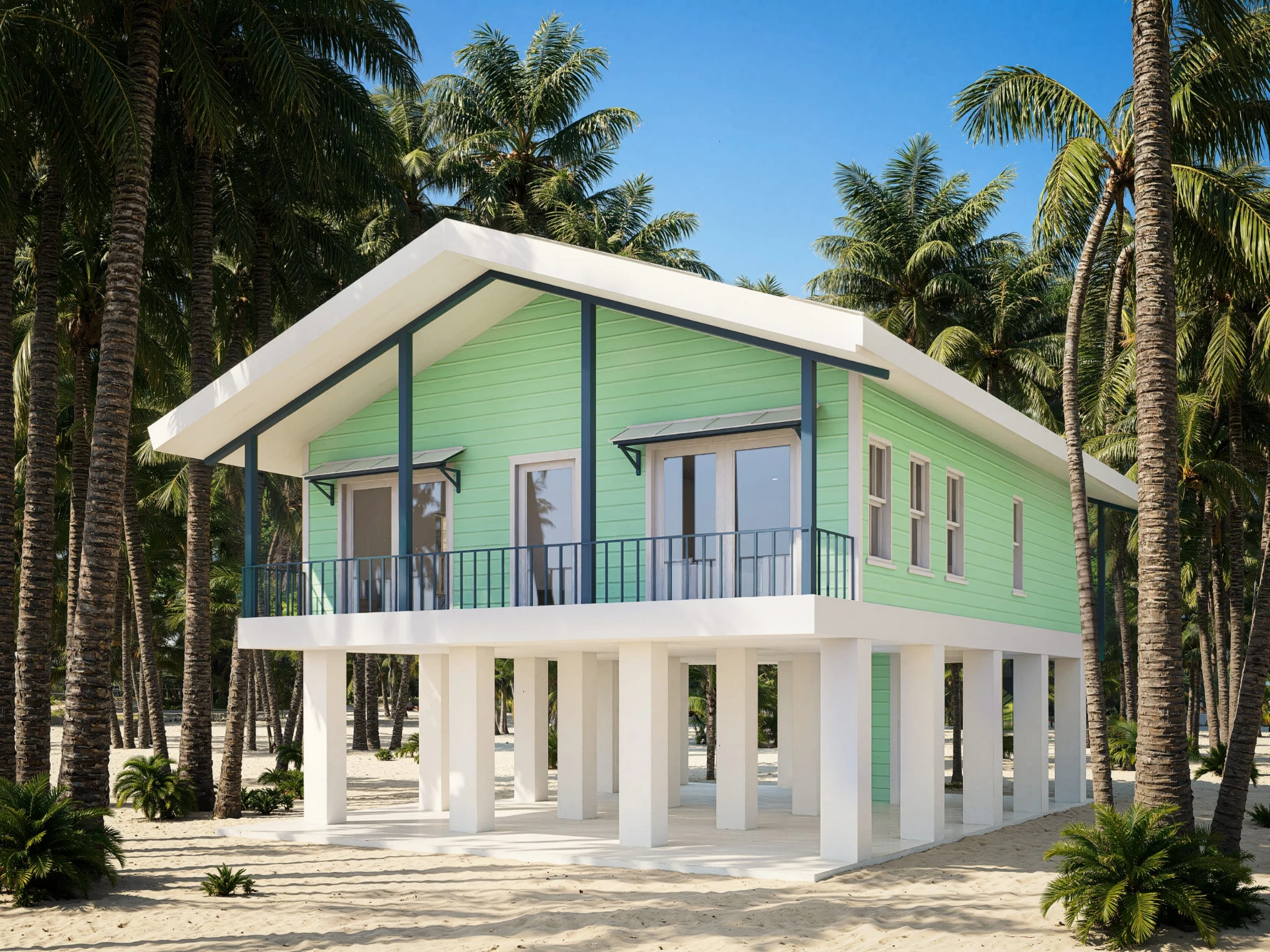
Homes located in high-risk coastal regions benefit significantly from construction methods specifically designed for hurricane exposure. Modern resilient designs incorporate reinforced structural connections, impact-rated openings, elevated foundations, and wind-resistant roofing systems that function as an integrated protective envelope.
These features do not eliminate storm exposure, but they dramatically reduce the likelihood of catastrophic failure. Many Florida homeowners who repeatedly experience storm damage ultimately choose structural upgrades or reconstruction using hurricane-resistant building systems to improve safety and durability.
Post-Storm Safety and Inspection
After a hurricane passes, structural safety should be evaluated before reoccupying the home. Roof integrity, wall alignment, water intrusion, and utility systems require inspection. Electrical hazards and gas leaks may not be immediately visible and should be assessed by qualified professionals if damage is suspected.
Documenting damage through photographs supports insurance claims and repair planning. Prompt mitigation of water intrusion also prevents secondary deterioration, such as mold or material decay.
Professional Guidance for Hurricane-Resistant Homes in Florida
For homeowners seeking to strengthen existing structures or build hurricane-resistant homes in coastal Florida, specialized construction expertise is essential. Storm-resilient design requires an understanding of wind loads, structural connections, and coastal environmental exposure.
Florida Steel Homes designs and constructs hurricane-resistant residential structures engineered for Florida’s coastal conditions. Their building systems focus on durability, safety, and long-term storm resilience.
Phone: 786-610-6398
Email: info@FloridaSteelHomes.com
Address: 16104 4th St E, Redington Beach, FL 33708
Conclusion
Hurricanes are an unavoidable part of coastal living, but severe home damage is often preventable. Most structural failures begin at predictable weak points such as windows, doors, roofing edges, or unsecured surroundings. By reinforcing these areas and managing environmental risks, homeowners can significantly improve their home’s ability to withstand major storms.
Securing a home during a hurricane is ultimately about controlling how wind and water interact with the structure. When the building envelope remains intact, even powerful storms are far less likely to cause catastrophic loss. Thoughtful preparation and resilient construction provide not only property protection but lasting peace of mind for Florida homeowners.