If you live in Florida, hurricanes aren’t a “maybe.” They’re a when. For many Florida homeowners, coastal residents, and first-time buyers, the real worry isn’t just wind or rain—it’s the fear of losing years of hard work in one violent storm. Roofs torn off. Windows blown in. Floodwater is destroying everything inside.
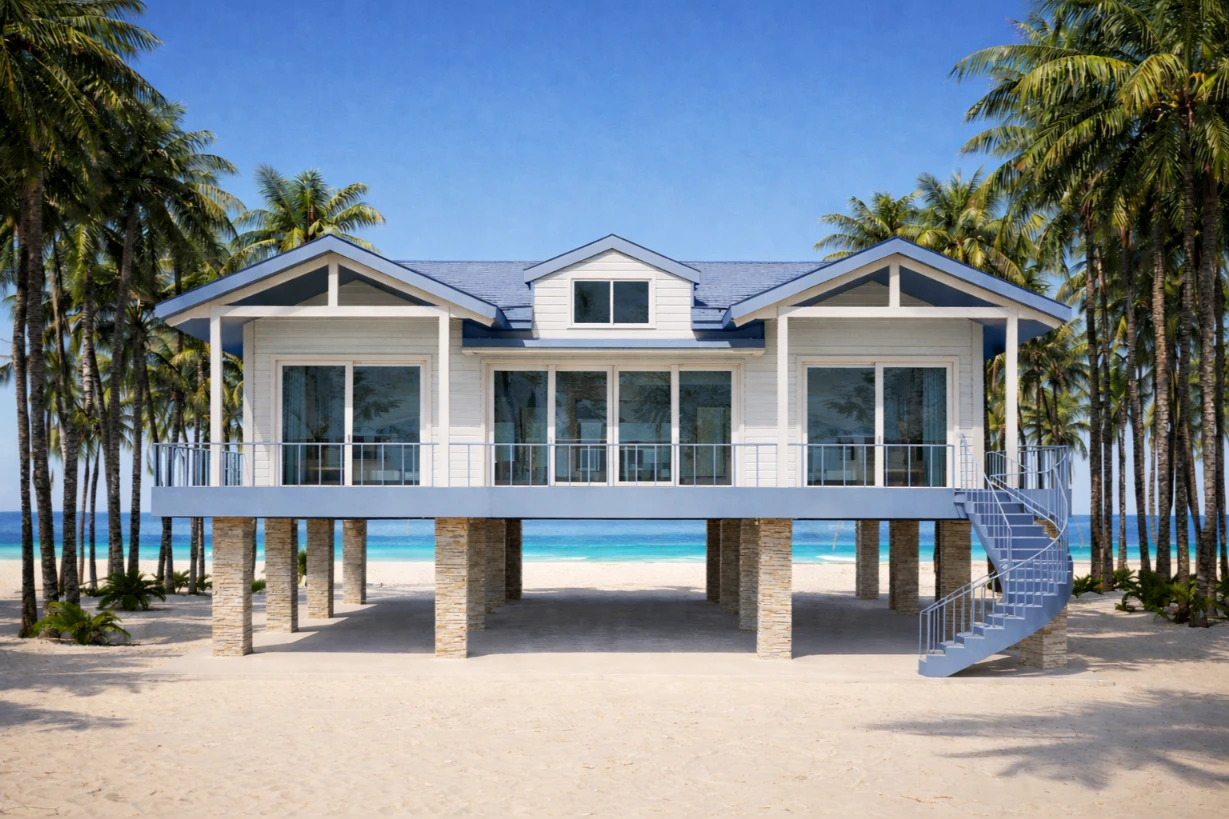
The good news? A hurricane-resistant home can be built—and it doesn’t have to feel complicated or overwhelming.
I’ve put together this step-by-step guide to help you understand how to build a hurricane-resistant home in Florida, using proven construction methods, smart design choices, and materials that actually hold up when a major storm hits.
Why Florida Homes Need Hurricane-Resistant Design
Florida’s geography makes it one of the most hurricane-prone states in the U.S. Coastal exposure, flat land, and warm waters create the perfect conditions for intense storms. Traditional homes built decades ago simply weren’t designed for today’s stronger hurricanes.
Common problems Florida homeowners face:
Roof failure during high winds
Window and door blowouts
Structural cracking or collapse
Flood damage from storm surge
Sky-high repair and insurance costs
Building hurricane-resistant isn’t a luxury anymore—it’s a necessity, especially for coastal residents and new buyers investing their life savings.
Step 1: Choose the Right Location and Elevation
Before construction even begins, location matters more than most people realize.
Smart site planning tips:
Avoid low-lying flood-prone areas when possible
Elevate the home above the base flood elevation (BFE)
Ensure proper drainage around the property
Position the home to reduce direct wind pressure
Elevated foundations dramatically reduce flood damage and insurance premiums.
Step 2: Use a Strong, Continuous Structural System
A hurricane-resistant home must act like one solid unit, not separate pieces.
Best construction materials for Florida:
Reinforced concrete walls
Steel framing systems
Insulated concrete forms (ICF)
Monolithic slab foundations
These materials help prevent:
Wall separation
Roof uplift
Structural collapse
Steel and concrete-based systems outperform traditional wood framing during Category 3–5 hurricanes.
Step 3: Build a Roof That Won’t Fly Away
Roof failure is one of the most common causes of total home destruction during hurricanes.
Hurricane-resistant roofing essentials:
Hip roof designs (better wind performance)
Concrete or metal roofing systems
Roof-to-wall steel connectors (hurricane straps)
Secondary water barriers under roofing
A properly anchored roof can mean the difference between minor repairs and a total rebuild.
Step 4: Install Impact-Resistant Windows and Doors
Once wind enters a home, pressure builds up fast—leading to roof blow-off and wall failure.
What to install:
Impact-rated hurricane windows
Hurricane-rated entry doors
Reinforced garage doors
Properly sealed frames and anchors
Impact-resistant glass prevents wind, debris, and water intrusion without relying on temporary shutters.
Step 5: Design for Wind Flow, Not Just Strength
Many people think fighting the wind is enough. In reality, working with wind is smarter.
Smart design features:
Aerodynamic exterior shapes
Fewer roof overhangs
Rounded or reinforced corners
Balanced window placement
These design choices reduce wind pressure and structural stress during storms.
Step 6: Secure the Entire Building Envelope
Every weak point is an opportunity for failure.
Areas that must be reinforced:
Roof-to-wall connections
Wall-to-foundation anchors
Window and door frames
Exterior cladding and siding
The goal is a continuous load path—so hurricane forces transfer safely into the ground.
Step 7: Follow Florida Hurricane Building Codes (and Go Beyond)
Florida has some of the toughest building codes in the country—and for good reason.
Why exceeding code matters:
Stronger protection during major hurricanes
Lower insurance premiums
Higher resale value
Long-term peace of mind
Building just to the minimum code may pass inspections—but stronger homes survive storms better.
Step 8: Think Long-Term: Insurance, Maintenance, and Value
A hurricane-resistant home isn’t just safer—it’s smarter financially.
Long-term benefits:
Reduced storm damage costs
Lower homeowners insurance
Fewer repairs after storms
Higher property value
Better sleep during hurricane season
For first-time buyers, this kind of construction protects both your family and your future.
Who Should Consider Hurricane-Resistant Construction?
This approach is ideal for:
Florida homeowners upgrading safety
Coastal residents near storm surge zones
First-time buyers wanting long-term security
Families are tired of storm-related repairs
If hurricanes keep you up at night, this type of home changes everything.
Final Thoughts: Build Once, Build Right
Hurricanes may be unavoidable in Florida—but disaster doesn’t have to be.
A properly designed hurricane-resistant home stands strong when others fail. It protects your family, your investment, and your peace of mind. Whether you’re building new or planning your future home, making the right construction choices today can save you from unimaginable stress tomorrow.
If you’re serious about building a safer, stronger home designed for Florida’s toughest storms, speak with experts who understand hurricane-resistant construction inside and out.
Contact Information
Florida Steel Homes
📞 Phone: 786-610-6398
📧 Email: info@FloridaSteelHomes.com
📍 Address: 16104 4th St E, Redington Beach, FL 33708
A hurricane-resistant home isn’t about fear—it’s about confidence. Build smart. Build strong. Built for Florida.