The wind is doing 140 miles per hour, and your neighbor’s roof is already gone. In that moment, what your home is made of isn’t just a construction detail — it’s the only thing standing between your family and a disaster that could take years to recover from. Florida homeowners have learned this lesson the hard way, storm after storm, and the ones who come through with their homes intact almost always made the same smart decisions before the season ever started.
Florida Homes: Don’t Skip These Hurricane Materials
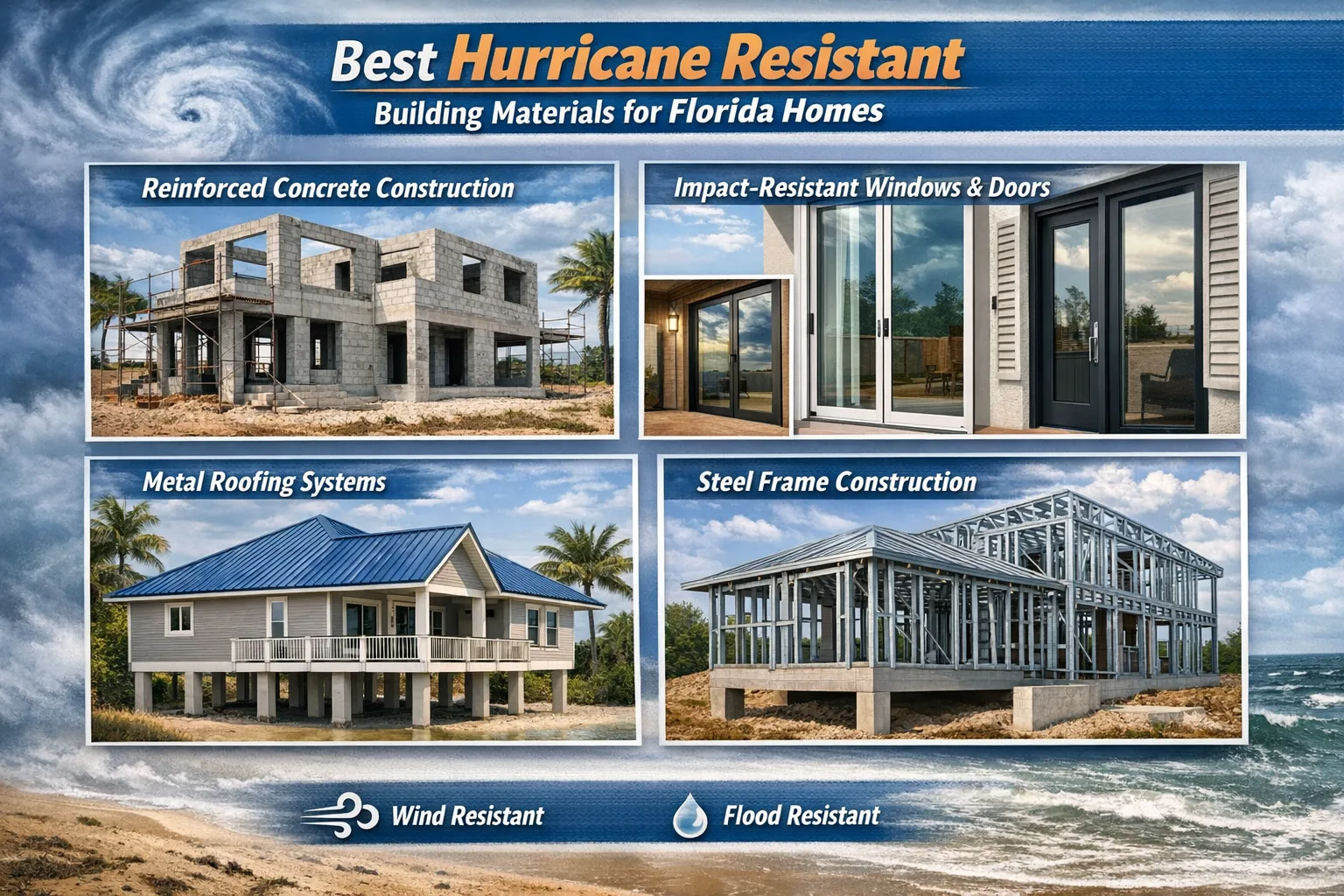
Choosing the best hurricane-resistant building materials isn’t about fear. It’s about making one well-researched decision that protects everything you’ve built—financially and literally. The good news is that the materials available today are stronger, more accessible, and more affordable than most buyers realize, and the right choices can actually lower your insurance premiums while raising your home’s resale value. That’s not a bad deal.
Why Florida Buyers Are Finally Getting Excited About This
For years, “hurricane-proof” felt like an expensive burden—something you reluctantly paid for because Florida made you. That thinking has flipped almost entirely. A new generation of buyers, especially families relocating from the Northeast and Midwest, is actively seeking out homes built with impact-rated and reinforced materials, and they’re willing to pay a premium to get them. Realtors across Tampa, Miami, and the Treasure Coast consistently report that homes with documented storm-resistant construction sell faster and for more money than comparable properties without that certification.
The psychology driving this is simple and completely understandable. When you’re moving your family to Florida, and you’ve watched news footage of hurricane damage, the question isn’t whether to protect your home—it’s which materials actually work. Buyers are done with vague promises. They want specs, ratings, and receipts. And the industry has responded with genuinely impressive options that combine protection with beauty, so you’re not building a concrete bunker; you’re building a home that happens to survive Category 4 winds.
The Top Hurricane-Resistant Building Materials, Explained
Insulated Concrete Forms (ICFs)
Insulated concrete forms are arguably the gold standard for hurricane-resistant wall construction right now. The system works by stacking hollow foam blocks that are then filled with reinforced concrete, creating a wall that is both structurally monolithic and incredibly well-insulated. In wind tunnel tests, ICF walls have withstood pressures exceeding 200 mph, which puts them well beyond what even a major hurricane can throw at a structure. Homes built with ICFs also perform exceptionally well in the wildfire and tornado categories, making them a genuinely all-hazard investment. The added thermal mass keeps energy bills low year-round, which is a real bonus in Florida’s brutal summer heat.
Impact-Resistant Windows and Doors
No matter how solid your walls are, your windows and doors are your home’s most vulnerable points in a storm. Impact-resistant glass uses a polyvinyl butyral (PVB) interlayer bonded between two glass panes, so when the glass breaks under impact—from debris, a branch, or a flying piece of someone else’s roof—it holds together instead of shattering inward. This isn’t just about the glass itself; the frames are engineered to stay anchored in the wall opening under sustained wind pressure. Florida’s Building Code now mandates impact glazing or protective shutters in most coastal counties, but going beyond minimum code with higher-rated products is where the real protection starts.
Metal Roofing Systems
A standard asphalt shingle roof starts failing around 60–70 mph. A properly installed standing-seam metal roof is rated to hold at 140 mph and above, depending on the fastening system and gauge of metal used. Beyond the wind rating, metal roofs resist the secondary damage that destroys so many Florida homes after a storm—water infiltration. When a shingle roof loses even a handful of shingles, the exposed decking can absorb hundreds of gallons of rainwater within hours, causing catastrophic damage to the structure, insulation, drywall, and everything inside. Metal roofing systems installed with continuous clips and sealed ridges simply don’t give water that opening.
Fiber Cement Siding
If your exterior cladding is wood siding, you’re already one strong storm away from a serious repair bill. Fiber cement siding—a blend of cement, sand, and cellulose fiber—resists impact, moisture, rot, and the salt air corrosion that eats through cheaper materials in coastal Florida environments. Brands like HardiePlank have become so standard in hurricane country that contractors and inspectors know them on sight, and many insurance carriers offer discounts specifically for homes clad in fiber cement. It holds paint extremely well, requires minimal maintenance, and looks nearly identical to traditional wood from the curb.
Reinforced Concrete Block (CBS Construction)
Concrete Block Structure, or CBS, has been the backbone of South Florida construction for decades. A CBS home’s walls are built from hollow concrete masonry units filled with rebar and grout, creating a connected, reinforced wall system that handles lateral wind loads far better than wood-framed walls. When you see older Miami homes standing untouched while newer developments nearby have taken damage, it’s often because those older homes are CBS. The limitation is thermal performance — CBS walls alone don’t insulate as well as modern ICF systems — but the structural protection is excellent, and the material cost is manageable.
Material Comparison Table
| Material | Wind Rating | Average Cost Per Sq Ft | Insurance Discount | Best For |
|---|---|---|---|---|
| Insulated Concrete Forms (ICF) | 200+ mph | $6–$10 | Up to 25% | New construction, full builds |
| Impact Windows & Doors | 150–180 mph | $40–$65/window | 10–20% | Retrofits, all homes |
| Standing-Seam Metal Roof | 140–160 mph | $10–$18 | 15–30% | Roof replacement/new build |
| Fiber Cement Siding | 130+ mph | $5–$12 | 5–10% | Exterior cladding, remodels |
| Reinforced Concrete Block | 140–165 mph | $8–$14 | 10–20% | South Florida new construction |
Budget Planning: What Does Hurricane-Resistant Construction Actually Cost?
| Project Scope | Estimated Cost Range | Expected Savings (10 yrs) |
|---|---|---|
| Impact windows only (2,000 sq ft home) | $15,000–$25,000 | $8,000–$15,000 in insurance |
| Metal roof replacement | $18,000–$40,000 | $12,000–$20,000 combined |
| Full ICF new construction upgrade | $20,000–$45,000 over wood frame | $30,000+ in energy + insurance |
| Fiber cement siding for the full exterior | $12,000–$22,000 | $4,000–$8,000 in maintenance |
| Complete storm-hardened renovation | $60,000–$120,000 | Significant resale premium |
These ranges are real-world Florida figures based on contractor quotes from Sarasota to Jacksonville as of 2024–2025. Your specific numbers will vary based on home size, existing structure, and local labor rates, but this gives you a solid planning baseline.
Practical Tips Before You Buy Materials or Sign a Contract
Start by pulling your county’s current Florida Building Code requirements for your specific zone—Miami-Dade County has some of the strictest standards in the country, while interior counties have more flexibility. Knowing your zone before you talk to any contractor means you can’t be oversold on unnecessary upgrades or undersold on what you actually need.
Ask every contractor for the Miami-Dade Notice of Acceptance (NOA) or Florida Product Approval number for any window, door, or roofing system they propose. These aren’t optional credentials—they’re the documented proof that a product has been tested and approved to perform at its rated specification in Florida conditions. Any contractor who can’t produce these numbers on request is not someone you want making decisions about your home’s storm protection.
Get your insurance carrier on the phone before you finalize your material selections. Florida insurers are increasingly offering meaningful credits for homes that exceed minimum code requirements, and knowing which specific upgrades trigger those credits can influence which materials you prioritize. In some cases, one product choice over another saves you $1,500 a year in premiums, which adds up to $15,000 over a decade.
Don’t overlook the connections. A metal roof with substandard clips fails before a well-fastened asphalt roof does. Impact windows installed with inadequate anchoring hardware won’t hold to their rated wind speed. The materials themselves are only as good as the installation system around them, so ask for the full fastening spec, not just the product spec.
Your Next Step Starts Here
You’ve done the research. You know what works, what it costs, and what to watch out for. Now the move is simple: before your next build, renovation, or home purchase in Florida, request a storm-hardening assessment from a licensed contractor who specializes in Miami-Dade or Florida Product Approval-rated systems. Bring this guide to that conversation. Ask for the product numbers, the fastening specs, and the insurance documentation. The homes that survive hurricanes intact aren’t lucky—they’re built with intention, and yours can be too.