Finding the Best small hurricane proof homes in florida is no longer just about storm safety. Parents now want smaller homes that are stronger, energy-efficient, affordable to maintain, and safe during hurricane season. After researching Florida storm-resistant housing trends and speaking with homeowners near coastal areas, small steel-frame and reinforced concrete homes stand out as the safest long-term option.
Hurricane Proof Homes in Florida
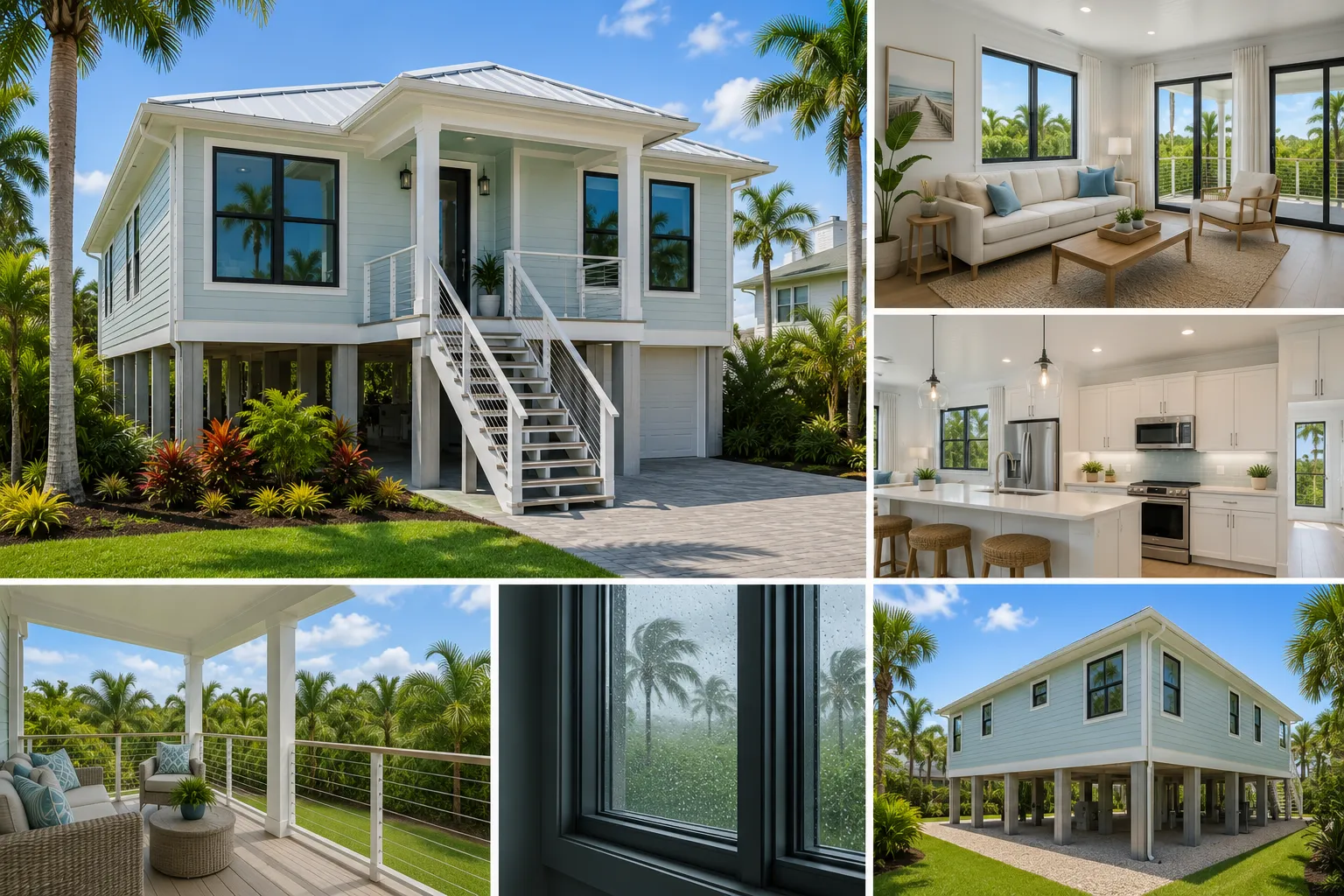
The first time I stayed through a Florida hurricane, I understood something most real estate ads never mention — fear changes what “dream home” means. When strong winds shake windows all night and power lines snap outside, square footage suddenly feels less important than safety.
That’s why many parents are now searching for the best small, hurricane-proof homes in Florida rather than oversized coastal houses. Smaller homes are easier to secure, cheaper to insure, and often built with stronger modern materials.
What surprised me most during my research was how many families regret buying large traditional homes near hurricane zones. Maintenance costs, roof damage, and insurance premiums become exhausting after a few seasons. Smaller reinforced homes solve many of those problems quietly.
Need Expert Guidance for Hurricane-Resistant Homes?
Families looking for durable Florida steel homes can directly contact:
Florida Steel Homes
📞 786-610-6398
📧 info@FloridaSteelHomes.com
📍 16104 4th St E, Redington Beach, FL 33708
Why Florida Families Are Choosing Smaller Hurricane-Proof Homes
Smaller Homes Feel Easier to Protect
Parents often worry about evacuation stress, repairs, and emergency preparation. A compact hurricane-resistant home reduces those worries dramatically.
Smaller homes usually mean:
- Lower roof exposure to wind damage
- Easier shutter installation
- Faster emergency preparation
- Lower cooling and maintenance costs
In many Florida coastal towns, people are moving away from oversized beach properties toward smarter, reinforced compact homes.
Insurance Costs Are Becoming a Major Factor
Florida insurance premiums increased heavily in recent years. Homes built with reinforced steel framing, impact windows, and elevated foundations often qualify for better insurance rates.
That’s a huge reason many younger families are considering hurricane-proof homes florida options before traditional wood-frame houses.
Safety Is Becoming More Important Than Luxury
A fancy kitchen loses appeal fast if your roof leaks every storm season. Many parents now prioritize:
- Concrete block construction
- Wind-rated roofing systems
- Elevated flood-safe designs
- Impact-resistant glass
And honestly, that shift makes sense.
What Actually Makes a Home Hurricane Resistant?
Impact Windows Matter More Than Most People Think
Flying debris causes major hurricane damage. Strong impact-rated windows can prevent pressure changes that sometimes destroy roofs from the inside of the house.
I spoke with one homeowner near Tampa who said their reinforced windows survived debris while neighboring homes lost glass within minutes.
Roof Design Is Extremely Important
Hip roofs generally perform better than gable roofs during hurricanes because wind pressure spreads more evenly.
The best storm-resistant small homes usually include:
- Metal roofing systems
- Roof tie-down straps
- Reinforced roof decking
- Wind ratings above 150 mph
Building Materials Change Everything
Traditional wood framing still exists in many Florida neighborhoods, but reinforced concrete and steel-frame homes continue gaining popularity.
According to FEMA, reinforced construction significantly improves structural survival during major storms.
Best Small Hurricane Proof Home Types in Florida
Steel Frame Homes
Steel homes are becoming one of the top choices for Florida parents.
Why?
Because termites, moisture, and strong winds affect steel far less than wood. These homes also tend to last longer with fewer structural problems.
Reinforced Concrete Homes
Concrete homes perform exceptionally well during hurricanes. They feel solid, quieter during storms, and usually resist wind damage better than standard builds.
The downside? Construction costs can sometimes be higher upfront.
Elevated Coastal Cottage Designs
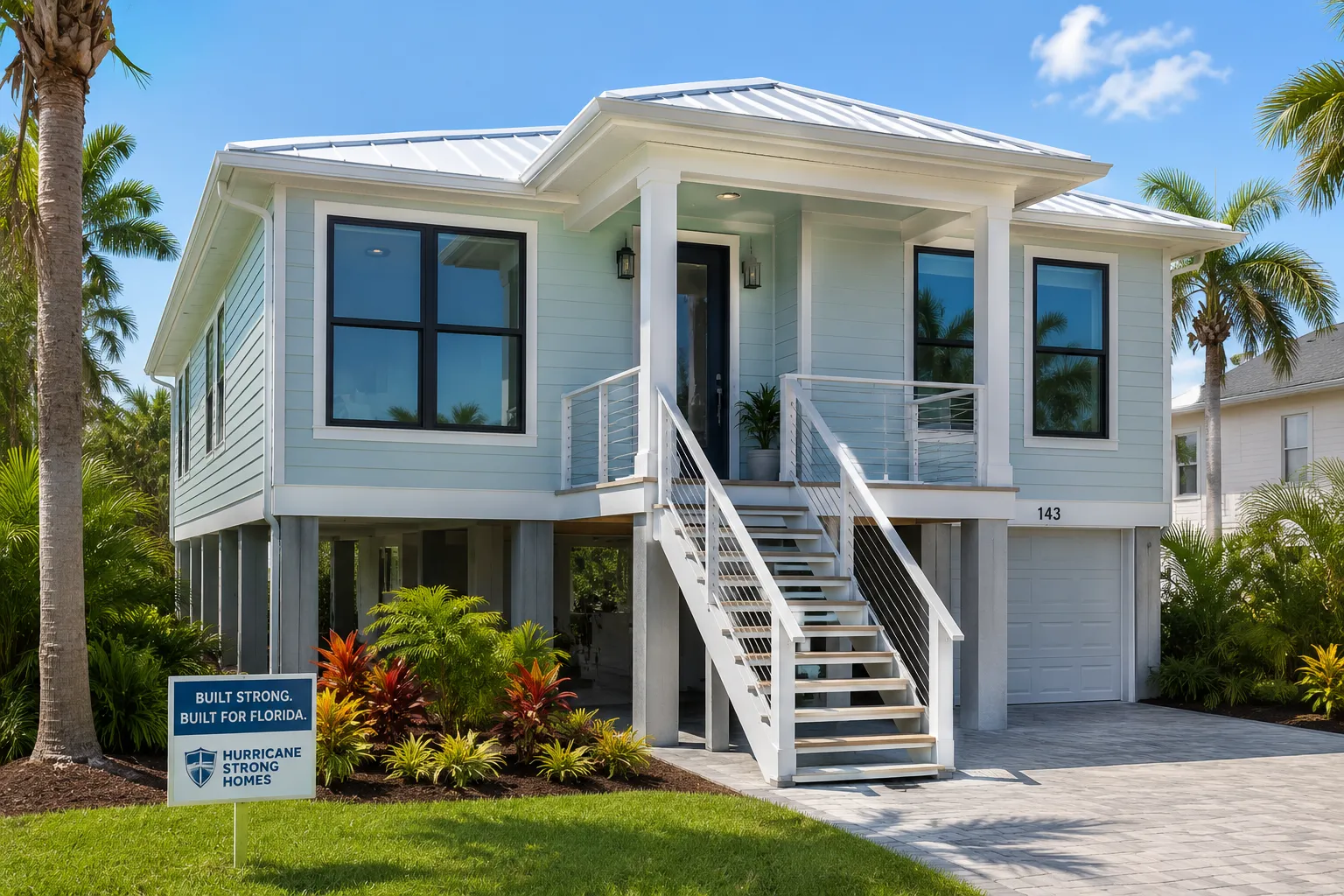
Some newer Florida cottage-style homes combine elevated foundations with hurricane-rated materials. They look modern while offering flood protection advantages.
This style is becoming very popular in coastal communities.
Steel Homes vs Traditional Florida Homes
| Feature | Steel Hurricane-Proof Homes | Traditional Wood Homes |
|---|---|---|
| Wind Resistance | Excellent | Moderate |
| Moisture Resistance | High | Lower |
| Maintenance | Lower | Higher |
| Termite Risk | Minimal | High |
| Insurance Benefits | Often Better | Varies |
| Lifespan | Long-term durability | Depends on upkeep |
One thing I noticed while researching is that many families underestimate long-term maintenance. A cheaper home upfront can become expensive after repeated storm repairs.
Pros and Cons Parents Should Know
| Pros | Cons |
|---|---|
| Better hurricane protection | Higher upfront building costs |
| Lower long-term maintenance | Limited builders in some areas |
| Potential insurance savings | Custom builds may take longer |
| Stronger resale value in storm zones | Financing can vary |
Hidden Things Most Buyers Ignore
Flood Zones Matter as Much as Wind Ratings
Some buyers focus entirely on hurricane wind resistance while ignoring flood elevation.
That’s a mistake.
Even strong homes can face serious flood damage if built in low-lying areas without proper elevation.
Backup Power Is Becoming Essential
In 2026, many hurricane-ready homes will include the following:
- Solar battery systems
- Backup generators
- Water storage systems
- Smart weather monitoring tools
These features make a huge difference during extended outages.
Community infrastructure matters too.
One strong home inside a poorly prepared neighborhood still creates risks.
Before buying, check:
- Local drainage quality
- Nearby evacuation routes
- Utility reliability
- Emergency response access
How Much Do Hurricane-Proof Small Homes Cost in 2026?
Pricing varies heavily depending on location and materials.
Average estimates in Florida:
- Small steel-frame homes: $180K–$350K
- Reinforced concrete homes: $220K–$400K
- Elevated coastal cottages: $250K+ near beach zones
At first glance, these numbers feel high.
But many homeowners say lower repairs, lower insurance stress, and better long-term durability make the investment worthwhile.
Final Thoughts
After looking deeply into Florida housing trends, one thing feels obvious: families are becoming smarter about what truly matters.
The best home isn’t always the biggest or most luxurious. Sometimes it’s the one that helps your kids sleep safely during hurricane season without fear in the back of your mind.
That peace of mind is hard to put a price on.
Looking for Hurricane-Resistant Home Experts?
Florida families exploring steel-based hurricane-resistant homes can contact the following:
Florida Steel Homes
📞 786-610-6398
📧 info@FloridaSteelHomes.com
📍 16104 4th St E, Redington Beach, FL 33708