Florida Steel Homes

Living near the coast in Florida has its own charm. Beautiful beaches, warm weather, and ocean views make coastal living incredibly attractive. But there’s one challenge that every Florida homeowner knows very well — hurricanes.

Every year, powerful storms remind homeowners how vulnerable traditional houses can be. Roofs fly off, windows shatter, and floodwater damages interiors. Many people only realize the weaknesses in their home design after the damage has already happened.

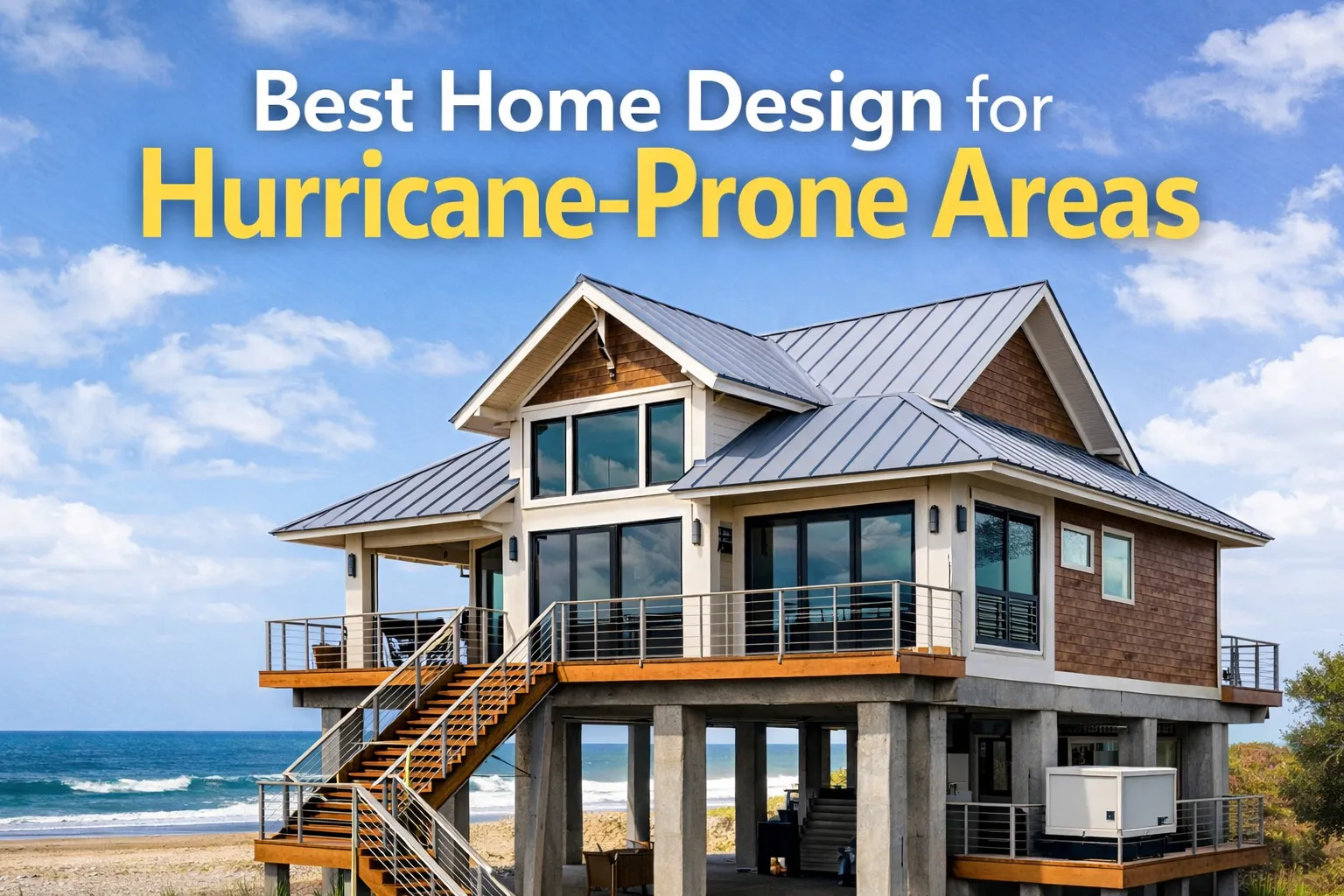
Best Home Design for Hurricane-Prone Areas


The good news is that smart architecture and modern construction methods can dramatically reduce this risk.

The best home design for hurricane-prone areas focuses on strength, elevation, aerodynamic shape, and storm-resistant materials. When these elements are planned correctly, a house can survive winds exceeding 150 mph while protecting the people inside.

For homeowners in coastal areas like Redington Beach and across Florida, choosing the right home design is not just about style — it’s about safety, resilience, and long-term peace of mind.

Why Traditional Home Designs Often Fail During Hurricanes

Many houses in coastal areas were built decades ago when hurricane-resistant engineering was not widely used.

These homes often suffer severe damage because of several design weaknesses.

Weak Roof Structures

The roof is usually the first part of a home to fail during strong winds. If the roof lifts, the entire structure becomes vulnerable.

Poor Window Protection

Standard windows break easily when struck by wind-blown debris. Once windows break, pressure builds inside the house and can blow off the roof.

Low Elevation

Flooding during hurricanes can destroy flooring, electrical systems, furniture, and structural components.

Light Building Materials

Wood-frame structures often struggle against extreme hurricane winds compared to reinforced steel or concrete systems.

Because of these weaknesses, homeowners often face expensive repairs, insurance claims, and months of rebuilding after major storms.

This is why modern hurricane-resistant home design focuses on preventing these failures before they happen.

Elevated Foundations: The First Line of Defense

Flooding is one of the most destructive parts of hurricanes.

Even if a house survives strong winds, floodwater can still cause major interior damage.

That’s why elevated foundations are essential in hurricane-prone regions.

Benefits of Elevated Home Designs

• Keeps living areas above flood levels
• Protects electrical systems and appliances
• Reduces long-term water damage
• Meets FEMA flood zone guidelines

Many coastal homes in Florida are now built on stilts, piers, or raised concrete foundations. This allows water to pass underneath without damaging the main structure.

In many cases, the ground level is used only for parking or storage, while the main living space starts on the second floor.

Strong Structural Systems Matter More Than Style

One of the biggest mistakes homeowners make is focusing only on the appearance of a home rather than its structure.

In hurricane-prone areas, the internal framework of the house is what determines survival.

Steel Frame Construction

Steel frames are significantly stronger than traditional wood framing.

Advantages include:

• Higher wind resistance
• Non-combustible material
• Longer lifespan
• Lower structural failure risk

Reinforced Concrete Structures

Concrete homes are also extremely strong and capable of resisting high wind pressure and flying debris.

Many hurricane-resistant homes combine steel reinforcement with concrete walls to create extremely durable structures.

These construction systems create homes that can withstand extreme storms while requiring far less repair after hurricanes.

Aerodynamic Home Shapes Reduce Wind Pressure

Wind pressure is one of the most powerful forces during hurricanes.

Traditional square homes with flat walls and sharp corners absorb direct wind impact.

But certain home shapes naturally reduce wind pressure.

Rounded or Dome-Style Homes

Curved surfaces allow wind to flow around the house rather than pushing directly against it.

Benefits include:

• Reduced wind resistance
• Lower structural stress
• Increased storm durability

Many hurricane-resistant homes now incorporate rounded edges, hip roofs, and aerodynamic layouts to improve storm performance.

Impact-Resistant Windows and Doors

One broken window can create a chain reaction of damage during a hurricane.

That’s why modern storm-resistant homes use impact-rated windows and reinforced doors.

These windows are built using laminated glass and heavy-duty frames.

Benefits include:

• Protection from flying debris
• Reduced internal pressure during storms
• Increased home security
• Better insulation and noise reduction

In many Florida coastal homes, hurricane shutters are also installed for additional protection.

Smart Roof Designs for Hurricane Safety

The roof design plays a major role in hurricane resistance.

Certain roof styles perform significantly better during storms.

Hip Roof Design

Hip roofs slope downward on all sides, making them more aerodynamic.

This reduces wind uplift compared to traditional gable roofs.

Strong Roof Connections

Modern hurricane-resistant homes use:

• Hurricane straps
• Reinforced trusses
• Metal roof connectors

These elements tie the roof securely to the walls and foundation.

Without these reinforcements, roofs can easily lift during extreme winds.

Why Many Florida Homeowners Are Switching to Hurricane-Resistant Homes

Many coastal homeowners are now building homes specifically designed for hurricane resilience.

The reasons are simple.

• Lower long-term repair costs
• Increased property value
• Lower insurance risk
• Peace of mind during storms

Instead of rebuilding every few years after major hurricanes, homeowners are investing in stronger, smarter designs from the beginning.

For families living near the coast, this investment can make a huge difference in safety and financial stability.

Building Safer Homes in Florida

For homeowners planning to build or upgrade a coastal property, choosing the right builder is just as important as choosing the right design.

Companies specializing in hurricane-resistant construction understand how to combine engineering, materials, and architecture to create homes that can withstand extreme weather.

Florida Steel Homes specializes in durable hurricane-resistant residential construction designed specifically for Florida’s coastal environment.

📞 Phone: 786-610-6398
📧 Email: info@FloridaSteelHomes.com
📍 Address: 16104 4th St E, Redington Beach FL 33708

Their designs focus on strong structural systems, modern engineering, and smart layouts that protect homeowners from hurricane damage.

Leave a Reply

Your email address will not be published. Required fields are marked *