Florida Steel Homes

Concrete block homes have long been considered strong and hurricane-resistant in Florida. They offer durability, fire resistance, and solid construction. However, modern hurricane-resistant steel homes now outperform concrete block in wind resistance, flood protection, longevity, and long-term cost savings. If you’re building in Florida today, it’s worth understanding the real differences before choosing.
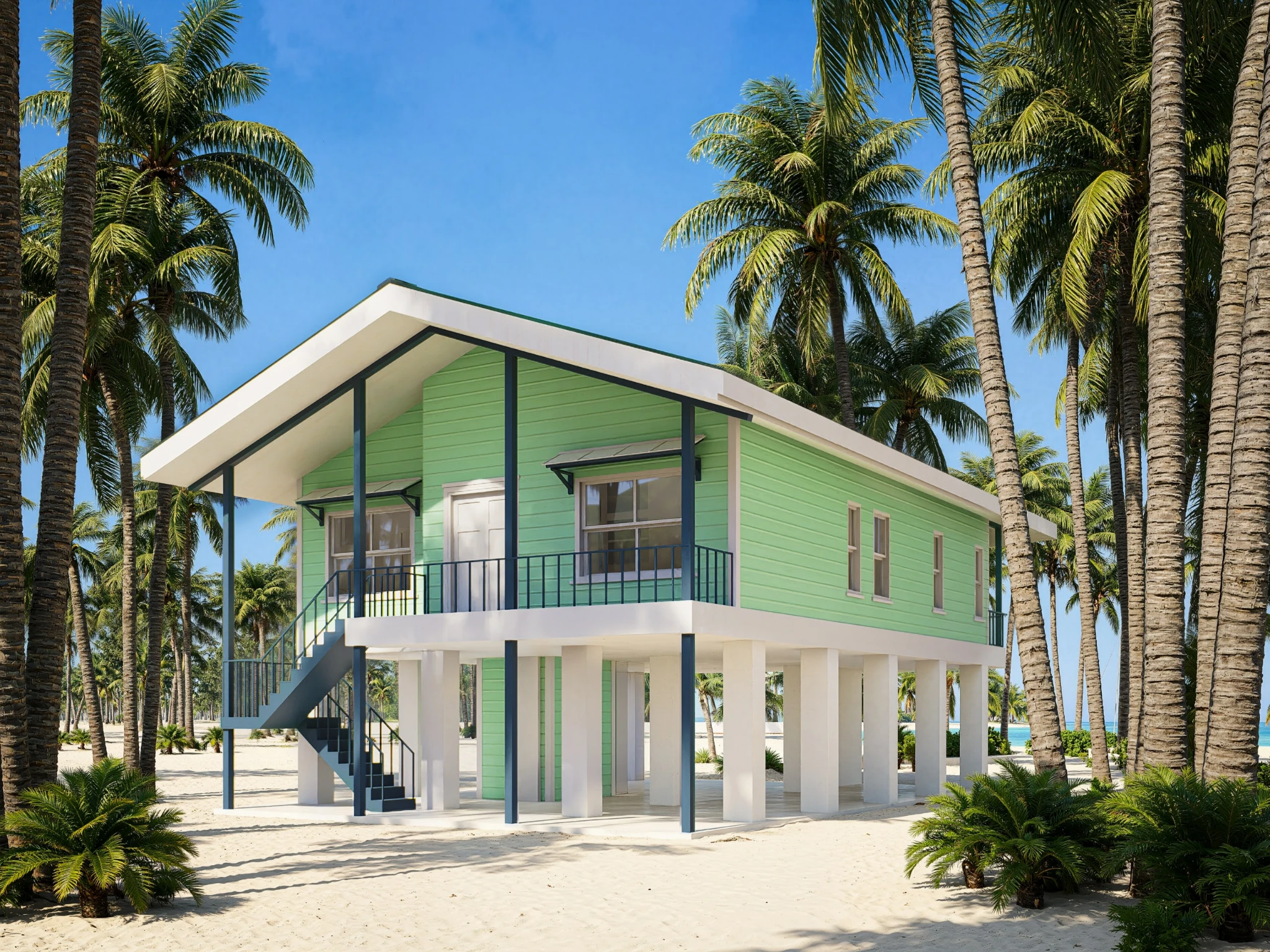
 

Concrete Block Homes in Florida


A concrete block home (also called CMU construction) is built using rectangular concrete masonry units stacked and reinforced with steel rebar and filled with grout. These homes are extremely common across Florida because they handle humidity, termites, and heat better than wood-frame houses.

Most Florida homes built after the 1970s use concrete block walls for the first floor at a minimum, especially in coastal and hurricane-prone areas. For decades, concrete block was considered the safest residential construction method in Florida.

Hurricane Performance of Concrete Block Homes

Concrete block homes perform better than wood during hurricanes — but they are not hurricane-proof.

Here’s why:

During major hurricanes, it’s common to see concrete block walls still standing while roofs and interiors are destroyed.

This is why building codes in Florida increasingly emphasize continuous load paths and reinforced connections.

Advantages of Concrete Block Homes

Concrete block homes still provide meaningful benefits for many homeowners.

Durability

Block walls can last decades with minimal structural degradation.

Low Maintenance Exterior

Stucco-coated masonry requires little upkeep compared to wood siding.

Pest Resistance

Concrete eliminates structural termite damage risk.

Sound Insulation

Thick masonry walls reduce outside noise.

Insurance Benefits

Many insurers offer discounts compared to wood-frame homes.

For inland or moderate-risk areas, concrete block homes remain a solid choice.

Limitations of Concrete Block Construction in Florida

Despite their reputation, concrete block homes have several weaknesses that matter in today’s hurricane climate.

Brittle Failure Mode

Concrete is strong in compression but weak in tension. Under extreme wind loads, cracking and structural failure can occur suddenly.

Roof Vulnerability

Most block homes use wood truss roofs — often the first failure point in hurricanes.

Flood Penetration

Concrete absorbs water. After flooding, walls retain moisture, leading to mold and interior damage.

Heavy Structural Weight

Block construction adds foundation load, increasing settlement and sinkhole vulnerability in some regions.

Limited Wind Rating

Most residential block homes are not engineered for Category 5 hurricane wind speeds.

This is why many newer coastal homes are moving toward alternative structural systems.

Concrete Block vs Steel Frame Homes in Florida

Modern hurricane-resistant steel construction addresses many limitations of concrete block homes.

Here’s how they compare:

Wind Resistance

  • Concrete block: strong but brittle

  • Steel frame: flexible and engineered for 180+ mph winds

Roof Integration

  • Concrete: wood roof attached to masonry

  • Steel: continuous structural frame roof-to-foundation

Flood Performance

  • Concrete: absorbs water

  • Steel: non-absorbent, dries quickly

Longevity

  • Concrete: decades

  • Steel: 150+ year structural lifespan

Termites & Mold

  • Concrete: termite-safe but mold-prone after flood

  • Steel: termite-proof and mold-resistant

Weight

  • Concrete: heavy

  • Steel: lighter with high strength

For coastal Florida, steel frame systems provide significantly higher storm survivability.

Are Concrete Block Homes Hurricane-Proof?

No — and this is a common misconception.

Concrete block homes are hurricane-resistant, not hurricane-proof.

They can withstand moderate storms well, but severe hurricanes often cause:

  • Roof loss

  • Window failure

  • Water intrusion

  • Interior destruction

  • Structural cracking

The walls may remain standing, but the home can still become uninhabitable.

True hurricane-proof construction requires a fully integrated structural system designed for extreme wind loads.

When Concrete Block Homes Still Make Sense

Concrete block homes remain practical in several situations:

  • Inland Florida locations

  • Lower wind zones

  • Budget-focused construction

  • Non-elevated sites

  • Moderate hurricane exposure areas

For these scenarios, block construction provides durability at a reasonable cost.

When Florida Buyers Should Consider Alternatives

Florida’s coastal risk profile has changed dramatically in recent years. Stronger storms, storm surge, and flood exposure are increasing.

Buyers should consider advanced structural systems if:

  • Building near coastlines

  • In flood zones

  • In hurricane evacuation zones

  • Seeking long-term insurance savings

  • Wanting storm survival certainty

In these environments, the construction method matters more than ever.

The Future of Hurricane-Resistant Homes in Florida

Concrete block defined Florida construction for decades — but building science is evolving.

Today’s buyers are prioritizing:

  • Category 5 wind resistance

  • Elevated flood-safe foundations

  • Mold-resistant structures

  • Energy independence

  • Long-term resilience

This shift is driving interest toward modern steel structural systems designed specifically for hurricane regions.

Choosing the Right Home Structure in Florida

If you’re building or buying in Florida, the key question isn’t just cost — it’s survivability. Concrete block homes remain durable and widely used. But in high-risk hurricane zones, newer structural technologies now provide higher protection levels.

Understanding the difference can mean the difference between repairable damage and total loss after a major storm.

Final Thoughts

Concrete block homes helped make Florida housing safer than wood-frame construction. They remain strong, pest-resistant, and durable. But hurricanes are intensifying, and expectations for home resilience are rising. Today’s Florida buyers have access to construction methods engineered beyond traditional masonry. If storm protection, longevity, and peace of mind are priorities, it’s worth exploring all structural options before building your Florida home.

Leave a Reply

Your email address will not be published. Required fields are marked *