Florida Steel Homes

Every year, Florida enters a period that locals respect, and newcomers often underestimate — hurricane season. From powerful coastal storms to days of heavy rain and flooding, hurricanes shape life in the Sunshine State more than most people realize.

Whether you live in Florida year-round, own coastal property, or plan to visit, understanding hurricane season isn’t just helpful — it’s essential for safety, planning, and peace of mind. This guide explains when hurricane season occurs, what risks Florida faces, and how homeowners and travelers can prepare effectively.

 Hurricane Season in Florida Starts June – Are You Prepared?
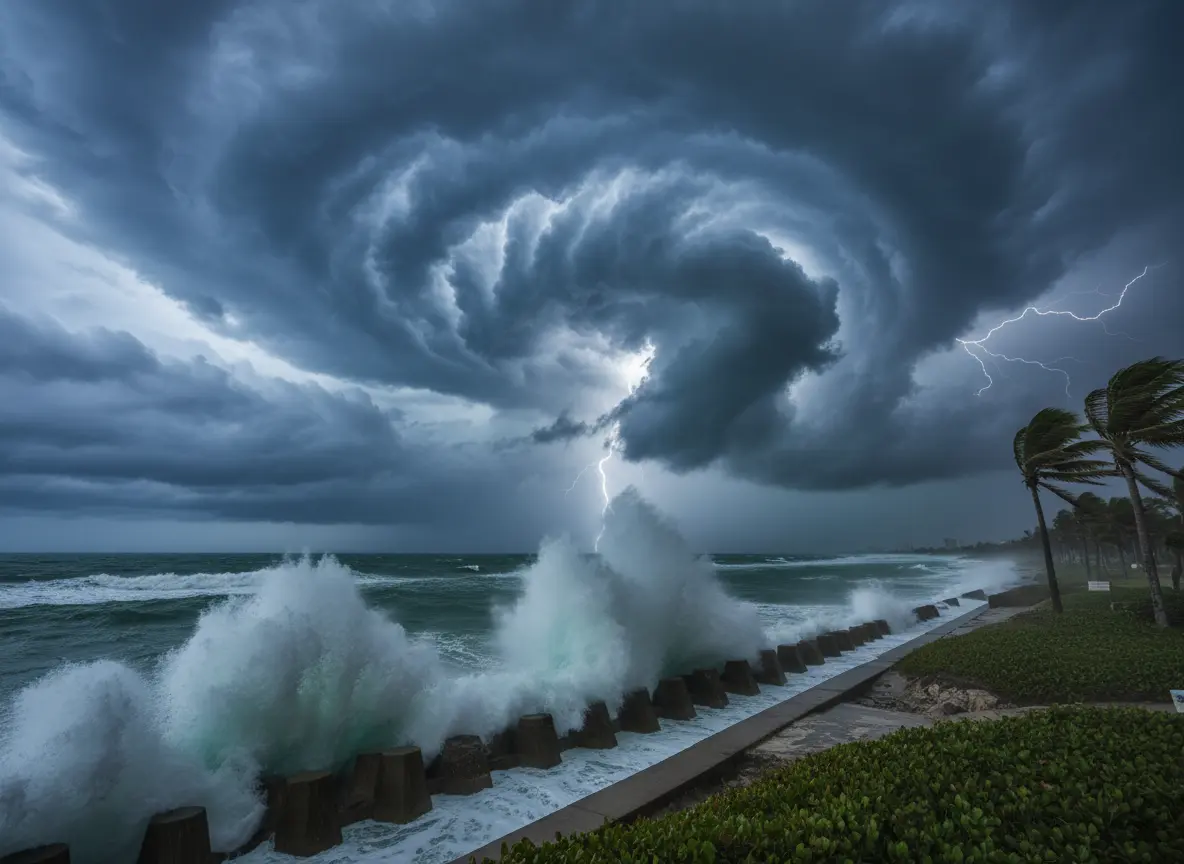
Hurricane Season in Florida

When Is Hurricane Season in Florida?

Hurricane season in Florida officially runs from June 1 through November 30, with peak activity typically between August and October.

During these months:

September historically sees the most hurricane landfalls in Florida.

Even outside peak months, storms can form unexpectedly — which is why preparation is always recommended before summer begins.

Why Florida Is So Vulnerable to Hurricanes

Florida experiences more hurricanes than any other U.S. state. The reason is geography.

The state is surrounded by warm water on three sides:

Its long coastline and low elevation increase exposure to storm surge and flooding.

For coastal communities like Tampa Bay, Miami, and the Florida Panhandle, hurricanes are a recurring reality — not a rare event.

Major Hurricane Risks in Florida

Many people think hurricanes are only about strong winds. In reality, most damage in Florida comes from water.

Storm Surge

Storm surge is the most dangerous hurricane hazard.

It occurs when ocean water is pushed inland by storm winds, causing rapid coastal flooding. In low-lying Florida communities, surge can travel miles inland.

Flooding Rain

Slow-moving hurricanes can drop extreme rainfall.

Flooding often affects:

Even areas far from the coast can flood during hurricanes.

Destructive Winds

Hurricane-force winds can exceed 111 mph.

These winds can:

Older homes are especially vulnerable compared to modern hurricane-resistant construction.

How Hurricane Season Affects Florida Homeowners

For homeowners, hurricane season impacts daily life and long-term property decisions.

Insurance costs often increase in coastal counties due to storm risk. Maintenance and preparation also become annual responsibilities.

Homeowners typically prepare by:

Many Florida residents also keep emergency supplies ready throughout the season.

Hurricane-Resistant Homes in Florida

Modern construction standards in Florida have evolved significantly after major storms like Andrew and Michael.

Today’s hurricane-resistant homes often include:

  • Impact-rated windows and doors

  • Reinforced roofing systems

  • Elevated foundations in flood zones

  • Wind-rated structural framing

  • Flood-resistant materials

These features dramatically reduce damage risk and repair costs.

For coastal homeowners, building or upgrading to hurricane-resistant design is one of the most effective long-term protections.

Tips for Florida Residents During Hurricane Season

Preparation is key to safety. Experienced Florida residents treat hurricane season as a yearly routine.

Practical steps include:

Before the season begins

  • Inspect the roof and gutters

  • Trim trees near structures

  • Test storm shutters

  • Check insurance coverage

When a storm is forecast

  • Secure outdoor furniture

  • Stock water and supplies

  • Charge devices

  • Review evacuation routes

During warnings

  • Follow local authorities

  • Avoid floodwater

  • Stay indoors

  • Keep the emergency kit accessible

Prepared households experience significantly less stress during storms.

What Travelers Should Know About Florida Hurricane Season

Hurricane season doesn’t mean you shouldn’t visit Florida — but awareness matters.

Most days during hurricane season are normal and sunny. However, storms can disrupt travel quickly.

Visitors should:

  • Monitor weather forecasts before travel

  • Purchase flexible bookings or travel insurance

  • Know hotel evacuation procedures

  • Follow local advisories

Coastal resorts and theme parks have well-established hurricane protocols, but transportation disruptions are possible during active storms.

Evacuation Zones in Florida

Florida counties designate evacuation zones based on flood and surge risk.

These zones are not the same as hurricane categories. Even a lower-category storm can require evacuation in surge-prone areas.

Residents should know:

  • Their evacuation zone

  • Nearest shelters

  • Safe evacuation routes

  • Local emergency alerts

Coastal and barrier island communities often evacuate first.

Climate Trends and Stronger Hurricanes

Recent decades have shown a trend toward stronger hurricanes affecting Florida.

Warmer ocean temperatures provide more energy for storms, increasing:

  • Rapid intensification

  • Rainfall volume

  • Wind speeds

  • Storm surge potential

This trend has influenced Florida building codes and insurance policies.

Preparedness and resilient construction are becoming increasingly important across the state.

Living Safely Through Hurricane Season in Florida

Despite risks, millions of people live safely in Florida year after year.

The difference is preparation and resilient housing.

Well-built homes, updated codes, and informed residents greatly reduce hurricane impact. Communities rebuild stronger after storms, and infrastructure continues to improve statewide.

Understanding hurricane season allows residents and visitors to enjoy Florida while staying safe.

Florida Hurricane Safety and Home Protection

For coastal homeowners, investing in storm-resistant construction can significantly reduce damage and insurance risk.

Florida Steel Homes specializes in hurricane-resistant residential construction designed for Florida’s coastal conditions.

Florida Steel Homes
16104 4th St E, Redington Beach, FL 33708
📞 786-610-6398
✉️ info@FloridaSteelHomes.com

Hurricane-resistant design helps protect property, reduce long-term repair costs, and improve safety during severe storms.

Conclusion

Hurricane season is a defining part of life in Florida. From June through November, the state faces potential storms that bring wind, rain, and coastal flooding. For residents, preparation and resilient homes make the greatest difference. For travelers, awareness and planning ensure safe visits. With proper understanding and preparation, Florida remains one of the most desirable and livable coastal regions in the world — even during hurricane season.

Leave a Reply

Your email address will not be published. Required fields are marked *