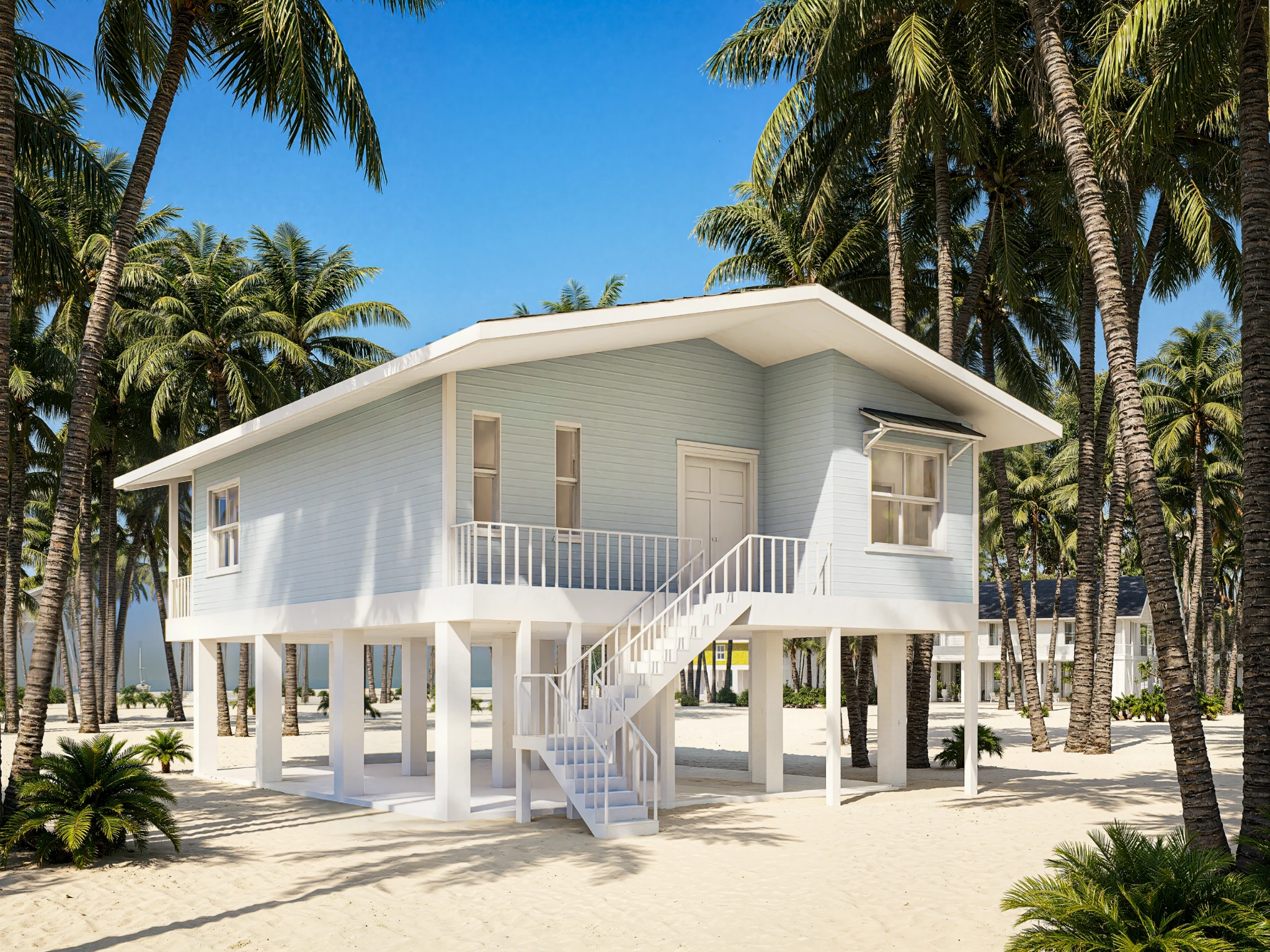
A small hurricane-proof home in Florida is designed to survive extreme winds, flying debris, flooding, and storm surge—without sacrificing comfort or style. Modern steel framing, impact-resistant windows, elevated foundations, and aerodynamic roof design make compact homes safer and more affordable for coastal homeowners and buyers. If you want durability with lower costs and easier maintenance, a well-engineered small hurricane-resistant home is one of the smartest housing choices in Florida.
Small Hurricane Proof Home Guide
Why Florida Homeowners Are Choosing Smaller Hurricane-Proof Homes
Florida living is beautiful—but storms are a reality. Many homeowners have realized that large homes cost more to protect, insure, repair, and maintain after hurricanes. That’s why smaller, stronger homes are becoming popular across coastal areas.
Common problems Florida homeowners face:
Storm damage from roof uplift and flying debris
Flooding and storm surge in coastal zones
High insurance premiums for larger homes
Expensive repairs after hurricanes
Evacuation stress and safety concerns
A compact hurricane-resistant home directly solves these issues:
Less surface area exposed to wind
Stronger structural integrity
Easier elevation above flood levels
Lower insurance and maintenance costs
Faster construction time
What Makes a Small Home Truly Hurricane-Proof?
A home is only hurricane-resistant if every structural element works together. Size alone doesn’t make it safe—the engineering system does.
1. Steel Structural Frame
Steel is one of the strongest building materials available for residential homes.
Benefits:
Resists rot, termites, and moisture
Withstands extreme wind pressure
Maintains shape under stress
Longer lifespan than wood
In hurricane zones, steel framing dramatically reduces structural failure risk.
2. Aerodynamic Roof Design
Most hurricane damage begins at the roof.
Safer roof shapes:
Hip roofs
Low-slope roofs
Continuous load path roofs
These designs reduce uplift forces and prevent roof peel-off during storms.
3. Impact-Resistant Windows & Doors
Flying debris is one of the biggest dangers in hurricanes.
Hurricane-rated openings:
Laminated impact glass
Reinforced frames
Wind-pressure tested systems
They prevent pressure buildup inside the home, which often causes catastrophic failure.
4. Elevated Foundation for Flood Zones
Small homes are easier to elevate safely above flood level.
Common elevation methods:
Concrete piers
Stilts/pilings
Stem wall foundations
Elevation protects against:
Storm surge
Coastal flooding
Water damage
Mold growth
Ideal Size for a Small Hurricane-Proof Home
“Small” doesn’t mean cramped. Modern layouts maximize space efficiency.
Typical sizes:
600–900 sq ft → minimal coastal retreat
900–1,200 sq ft → primary residence
1,200–1,500 sq ft → family-friendly compact home
Smart layout strategies:
Open floor plans
Multi-use rooms
Built-in storage
Large windows for natural light
Outdoor living decks
The result: a home that feels larger than its footprint.
Cost Advantages of Small Hurricane-Resistant Homes
One of the biggest reasons buyers choose compact hurricane-proof homes is cost efficiency.
Savings areas:
Lower construction cost
Reduced foundation expense
Less roofing material
Lower insurance premiums
Reduced energy bills
Lower maintenance
In Florida, smaller fortified homes often qualify for insurance mitigation discounts, further reducing ownership costs.
Energy Efficiency Benefits
Small hurricane-proof homes aren’t just safer—they’re more energy efficient.
Reasons:
Less conditioned space
Tight building envelope
Modern insulation
Impact windows reduce heat gain
Reflective roofing options
This leads to:
Lower cooling costs
Better indoor comfort
Reduced humidity intrusion
Important in Florida’s hot, humid climate.
Design Styles That Work Best in Florida
Hurricane-resistant homes don’t have to look industrial or boxy. Many styles blend strength with coastal aesthetics.
Popular styles:
Modern coastal
Elevated beach cottage
Minimalist contemporary
Key West style
Coastal farmhouse
All can be engineered for hurricane resistance.
Who Should Consider a Small Hurricane-Proof Home?
These homes are ideal for:
Coastal Florida homeowners
First-time buyers in storm zones
Retirees downsizing safely
Vacation home buyers
Flood-zone property owners
Insurance-conscious homeowners
If safety, durability, and cost control matter, compact hurricane-resistant homes make sense.
Common Questions Florida Buyers Ask
Are small homes safer in hurricanes?
Yes. Smaller structures experience lower wind loads and are easier to reinforce structurally.
Can a small home be elevated above flood level?
Yes. Compact homes are often simpler and more cost-effective to elevate on pilings or piers.
Do hurricane-proof homes still look modern?
Absolutely. Modern materials and coastal architecture allow beautiful, storm-resistant designs.
Are they cheaper to insure?
Typically, yes, especially when built with wind-mitigation features and flood elevation compliance.
Real-World Florida Insight
Many coastal homeowners who previously owned large houses report:
Lower storm anxiety
Less maintenance stress
Reduced insurance costs
Faster hurricane recovery
A smaller fortified home isn’t just a design choice—it’s a lifestyle upgrade focused on resilience.
Choosing the Right Builder Matters
Not all “hurricane-resistant” homes are engineered equally. True resilience requires:
Structural engineering for wind loads
Florida code compliance
Flood elevation planning
Impact-rated components
Continuous load path design
Working with a specialized hurricane-resistant home builder ensures safety and long-term durability.
Build a Small Hurricane-Proof Home in Florida
If you’re considering a compact, storm-resistant home designed for Florida conditions, professional guidance is essential.
Florida Steel Homes
16104 4th St E, Redington Beach, FL 33708
📞 786-610-6398
✉️ info@FloridaSteelHomes.com
Consultations help determine:
Ideal size and layout
Elevation requirements
Wind-resistant structural system
Coastal zoning compliance
Budget-optimized design
Final Thoughts
A small hurricane-proof home delivers what Florida living demands most: safety, durability, efficiency, and peace of mind.
By combining steel construction, elevated foundations, aerodynamic roofs, and impact protection, compact homes can outperform larger houses in hurricane zones—often at lower cost.
For Florida homeowners and buyers seeking resilient coastal living, the future is clear: smaller, stronger, smarter homes built for storms.