Living in Miami is beautiful — ocean breeze, sunshine, coastal lifestyle — but let’s be honest, hurricanes are a real and repeating threat. Many homeowners only think about storm shutters and insurance. But what if your home could actually survive longer on its own — with its own power, water backup, structural strength, and supply resilience?
Build a Self-Sustaining Hurricane Home in Miami
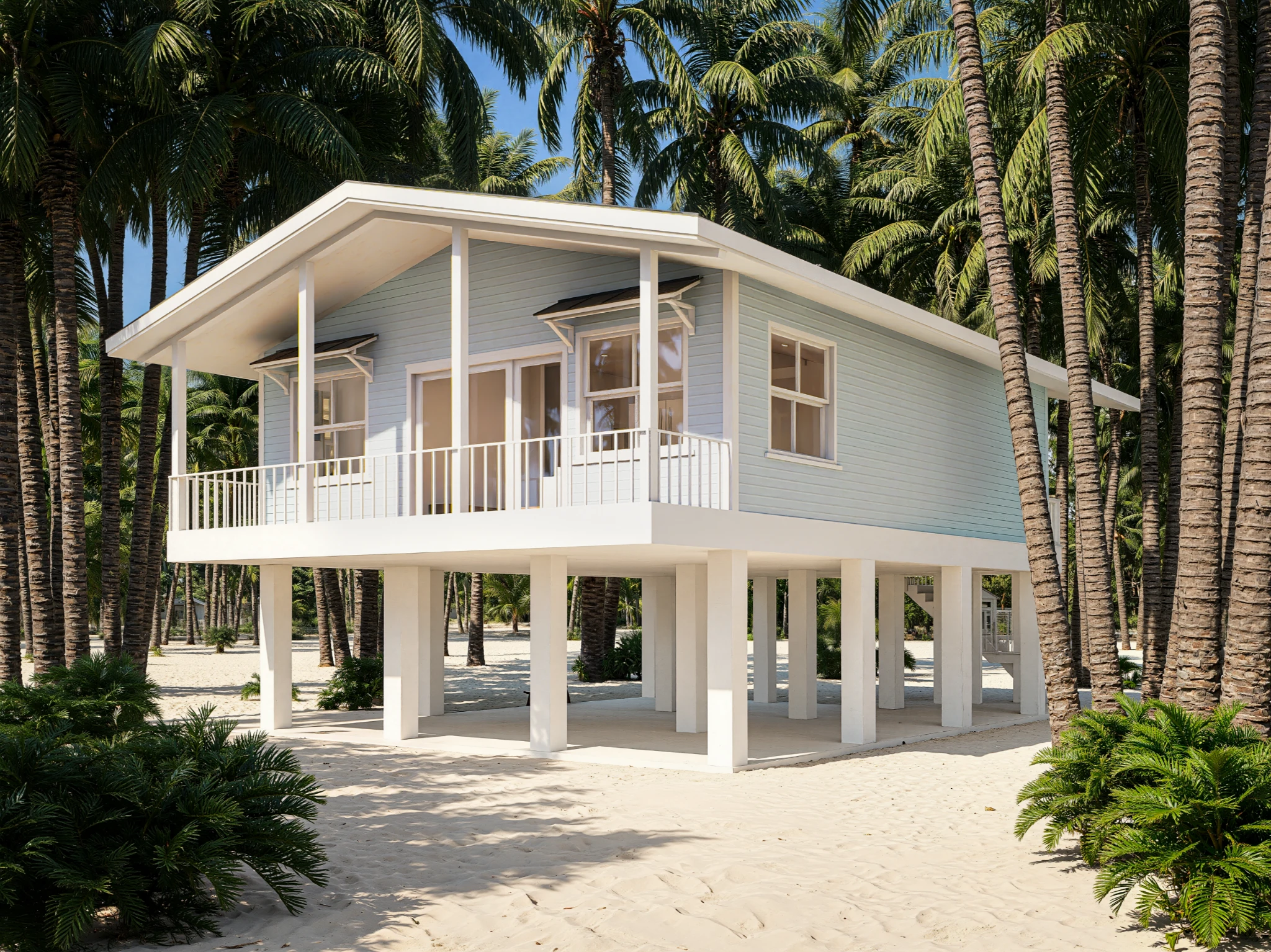
A self-sustaining hurricane home is not just about surviving the storm — it’s about continuing to function when the grid goes down, roads are blocked, and services are delayed.
This guide will walk you step-by-step through what actually matters when building a self-sustaining hurricane home in Miami.
A self-sustaining hurricane home in Miami should include: reinforced structural framing, impact-rated windows and roof systems, solar + battery backup, independent water storage, flood-resistant elevation, and passive cooling design. The goal is not just survival — but continued livability after the storm passes.
Why Miami Homes Need Self-Sustaining Design
Most hurricane damage doesn’t just come from wind — it comes from extended outages and system failures:
Power grid down for days
Water supply interruptions
Fuel shortages
Road access blocked
Emergency services delayed
Food storage problems
Communication failures
Many homeowners discover after a storm that their house is still standing — but not livable.
Self-sustaining design fixes that gap.
Step 1: Start With Hurricane-Rated Structural Framing
The biggest mistake people make is adding resilience after construction. True hurricane strength starts with the skeleton of the home.
Best structural options:
Steel frame construction
Reinforced concrete systems
Insulated concrete forms (ICF)
Engineered wind-load framing
Continuous load path connectors
Critical features:
Roof-to-wall tie systems
Wall-to-foundation anchors
Impact-rated fasteners
Corrosion-resistant materials (Miami salt air matters)
A strong frame reduces catastrophic failure risk — not just cosmetic damage.
Step 2: Build a Wind-Resistant Roof System
Your roof is the most likely failure point during hurricanes.
Key upgrades:
Standing seam metal roofing
Hurricane clips and straps
Secondary water barrier layer
Sealed roof deck system
Aerodynamic roof shape (hip roofs perform better than gable roofs)
Pro tip: A roof that stays attached prevents internal pressure buildup — which is what often causes total structural loss.
Step 3: Install Impact-Rated Windows and Doors
Broken windows are not just glass damage — they allow pressure and rain to enter the home.
Use:
Impact-rated laminated glass
Miami-Dade approved window systems
Reinforced door frames
Multi-point locking exterior doors
Impact-rated garage doors
Avoid temporary plywood solutions — permanent systems are safer and faster.
Step 4: Add Solar + Battery Backup Power
Self-sustaining means you can run essentials even if the grid is down.
Best setup:
Rooftop solar panels
Whole-home battery storage
Critical load sub-panel
Smart load prioritization
Run essentials like:
Refrigeration
Medical devices
Lighting
Internet/router
Phone charging
Security systems
Well pump (if applicable)
Battery backup is often more practical than fuel generators because fuel becomes scarce after major storms.
Step 5: Create Independent Water Resilience
Water systems fail more often than people expect after hurricanes.
Smart options:
Rainwater harvesting system
Underground storage tanks
Whole-house filtration
Emergency potable water reserve
Low-flow plumbing fixtures
Even a 300–500 gallon backup system can support a household for several days.
Step 6: Elevation and Flood Defense Planning
In Miami, wind is only half the threat — flooding causes massive loss.
Design considerations:
Elevated foundation design
Pier or raised slab systems
Flood vents
Permeable landscaping
Proper site drainage grading
Backflow prevention valves
Never rely only on sandbags — design elevation is the real solution.
Step 7: Passive Cooling and Ventilation
After hurricanes, power outages can last days — heat becomes dangerous quickly.
Passive cooling features:
Cross-ventilation window placement
Shaded overhangs
Reflective roofing
Insulated wall systems
Thermal mass materials
Covered outdoor living spaces
These design choices reduce indoor temperature without electricity.
Step 8: Food and Supply Storage Design
Self-sustaining homes include built-in emergency storage areas.
Include:
Pantry with 2–3 week food capacity
Battery lighting in storage areas
Elevated shelving (flood safety)
Dry goods containers
Medical supply kit area
Plan this during design — not after construction.
Step 9: Communication and Safety Systems
Add resilience beyond structure:
Satellite backup communication
Battery security cameras
Weather alert radio
Lightning protection system
Surge protection at panel level
Small systems — big safety improvement.
Common Painful Mistakes Miami Homeowners Make
I’ve seen these happen again and again:
Building to minimum code only
Ignoring roof anchoring details
Installing solar without battery
No water backup plan
No elevation strategy
Cheap window upgrades instead of impact-rated systems
Generator with no fuel plan
Minimum code = minimum survival — not resilience.
Practical Build Strategy (Smart Order)
If you’re planning a new build:
Choose hurricane-rated structural system
Design roof + load path
Elevation and drainage plan
Impact windows and doors
Solar + battery wiring pre-install
Water storage integration
Passive cooling layout
Storage and safety systems
Planning early reduces cost and improves performance.
Miami Homeowners — Build It Right From Day One
A self-sustaining hurricane home is not a luxury — it’s long-term protection for your family, your property, and your peace of mind. When designed properly, these homes are also more energy efficient, lower maintenance, and more comfortable year-round.
If you are planning a hurricane-resistant, self-sustaining home in Florida, expert planning matters.
Get in touch:
Florida Steel Homes
📞 786-610-6398
✉️ info@FloridaSteelHomes.com
📍 16104 4th St E, Redington Beach FL 33708