If you live near Florida’s coast, this question is not just technical — it’s personal. Every hurricane season, homeowners wonder the same thing: Is my house strong enough? Marketing terms like “hurricane-proof” and “storm-resistant” get thrown around a lot, but what do they really mean when winds cross 180+ MPH?
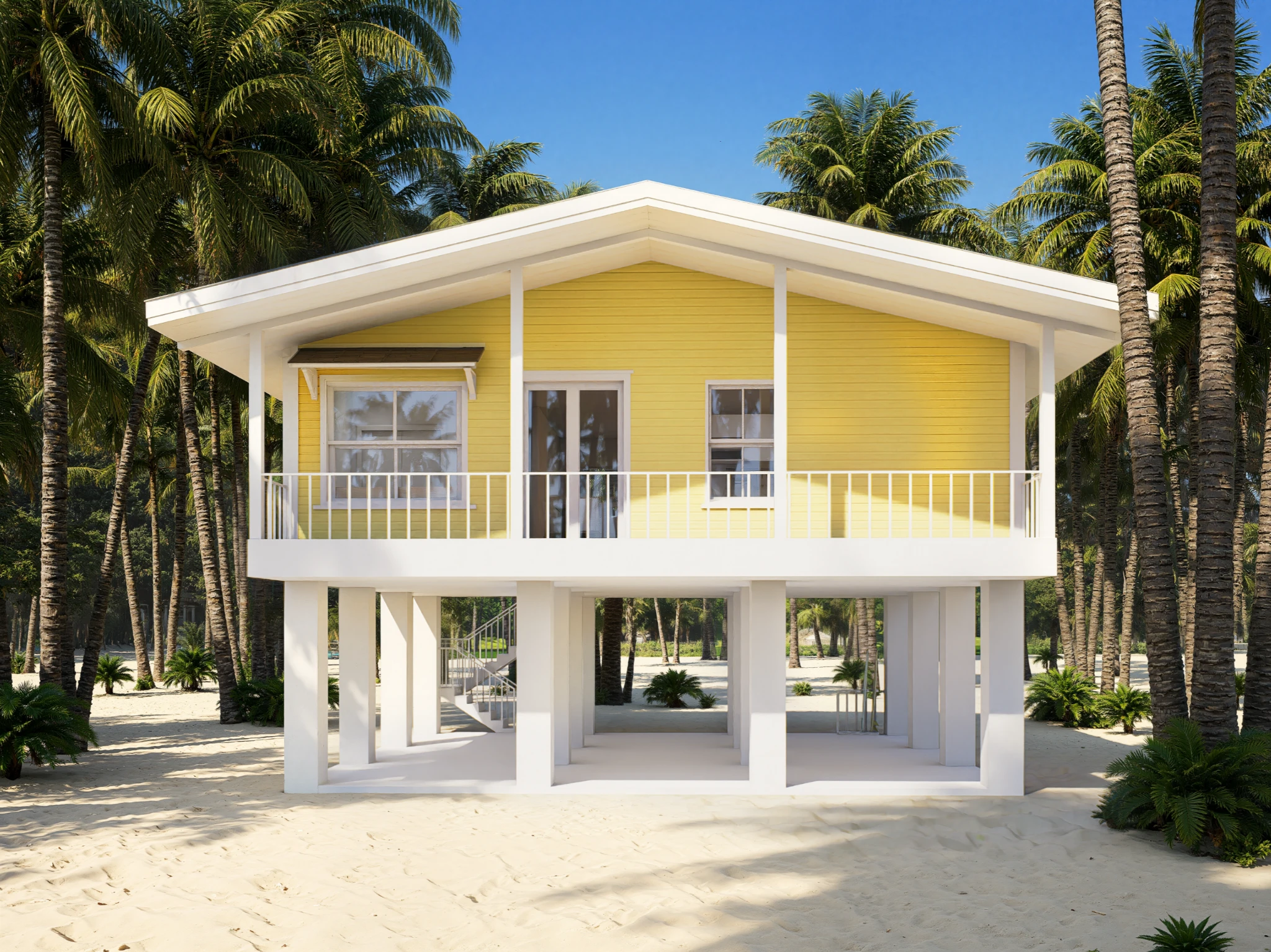
Let’s break this down in simple language — what matters, what doesn’t, and whether a properly designed hurricane home can truly stand up to extreme wind speeds.
This guide is written especially for Florida homeowners and coastal buyers planning to build or upgrade their homes.
Yes — a properly engineered hurricane-rated home can withstand 180+ MPH winds, but only if it is built with the right structural system, tested materials, reinforced connections, and code-compliant design. Steel-framed homes with engineered roof systems, impact-rated openings, and anchored foundations perform far better than traditional builds in extreme wind zones.
What Does 180+ MPH Wind Actually Mean for a House?
180+ MPH winds are not normal storm winds. That’s major hurricane territory — typically Category 5 conditions.
At that speed, wind doesn’t just push — it:
Lifts roof systems
Rips off shingles and panels
Breaks weak windows and doors
Creates internal pressure that blows walls outward
Sends debris flying like missiles
Most house failures don’t happen because walls collapse first. They happen because:
Roof fails → wind enters → pressure builds → structure gives way
So wind resistance is less about one “strong wall” and more about a complete structural system.
What Makes a Home “Hurricane Rated”?
A hurricane-resistant home is not defined by one feature. It’s a combination of engineering decisions.
Key components include:
Engineered Structural Frame
Steel framing or reinforced concrete performs best
Engineered load paths from roof to foundation
Wind-load calculations based on local Florida wind zones
Steel frames are especially effective because:
They don’t warp or rot
Connections can be mechanically fastened
Load distribution is predictable
Continuous Load Path
This is one of the most important concepts.
Wind force must travel safely from:
Roof → Walls → Floors → Foundation → Ground
This is achieved using:
Hurricane straps
Anchor bolts
Steel connectors
Reinforced joints
If one link fails, the chain fails.
Impact-Rated Windows and Doors
Wind alone is dangerous — but wind + debris is what destroys homes.
Hurricane homes use:
Impact-rated glass
Reinforced frames
Missile-impact tested doors
Pressure-rated garage doors
If openings fail, internal pressure increases and roof failure risk multiplies.
Roof System Design
Roof design matters more than people realize.
Best-performing roof features:
Hip roof shapes (better than gable in high winds)
Mechanical fastening systems
Secondary water barriers
Reinforced decking attachment