Living in Florida is a dream for many of us—sunshine, beaches, and coastal living. But let’s be honest, every hurricane season brings the same fear: “Is my home really safe?”
I’ve seen Florida homeowners struggle with roof damage, broken windows, flooding, and months of expensive repairs. The good news? You can hurricane-proof your home step by step—without guessing and without wasting money on the wrong upgrades.
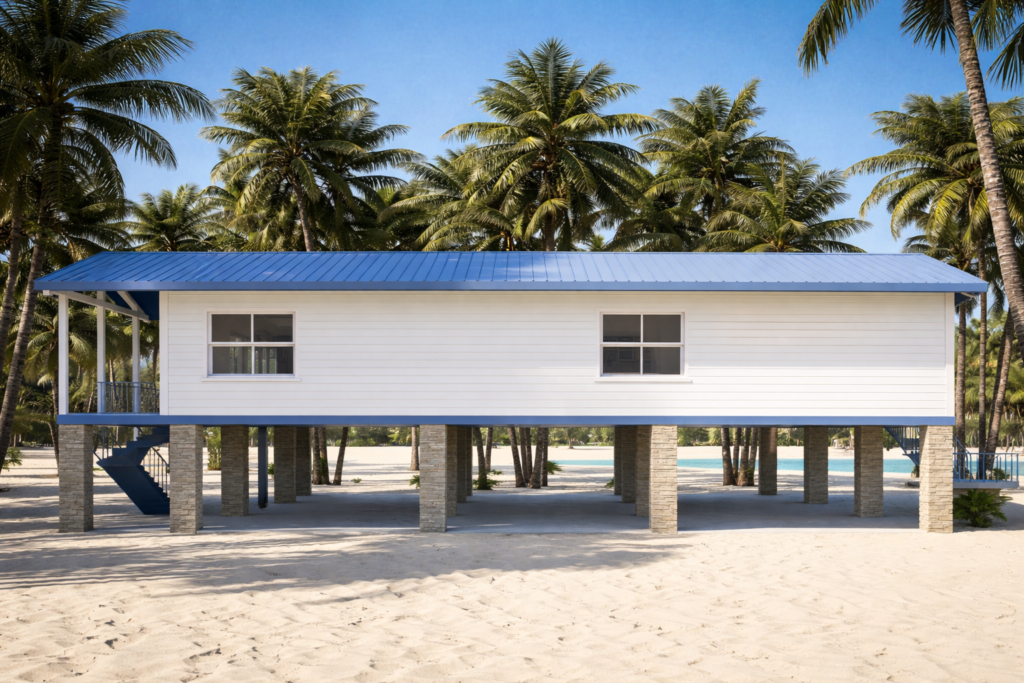
This guide is written especially for Florida homeowners, based on real problems we see every storm season—and practical solutions that actually work.
Hurricane-proofing your home means strengthening your roof, windows, doors, walls, and foundation while protecting against wind, water, and flying debris. Start with your roof and openings, then move to flood protection and structural upgrades. Long-term solutions like steel homes offer the highest level of safety in Florida.
Why Hurricane Proofing Is Critical in Florida
Florida hurricanes don’t just bring strong winds—they bring:
- Wind speeds over 150 mph
- Flying debris that shatters glass
- Heavy rain causing flooding
- Power outages lasting days or weeks
Many homeowners assume insurance will cover everything. The painful truth? Insurance doesn’t prevent damage—it only pays after your life is disrupted. Prevention is always cheaper, safer, and smarter.
Step 1: Strengthen Your Roof (Your First Line of Defense)
Why the roof fails first
Most hurricane damage starts when the roof lifts or peels off. Once that happens, wind and rain destroy everything inside.
Practical solutions
- Install hurricane-rated roofing materials
- Use roof straps or hurricane clips to connect the roof to the walls
- Seal roof edges and shingles properly
- Replace old roofs before hurricane season—not after
If your roof is over 15–20 years old, it’s already a risk.
Step 2: Protect Windows with Impact Resistance
The real danger of broken windows
Once a window breaks, air pressure builds inside the house—this is what causes roofs to blow off.
Best window protection options
- Impact-resistant hurricane windows (best long-term solution)
- Hurricane shutters (accordion, roll-down, or storm panels)
- Temporary plywood only as a last resort
Impact windows cost more upfront, but they:
- Protect against debris
- Reduce noise
- Improve energy efficiency
- Lower insurance premiums
Step 3: Reinforce Doors and Garage Doors
Why garage doors are a weak point
A failed garage door lets wind rush inside, often leading to complete structural failure.
What you should do
- Install hurricane-rated garage doors
- Reinforce entry doors with steel or impact-rated materials
- Check door frames and hinges—not just the door itself
This single upgrade has saved countless homes during Category 4 and 5 storms.
Step 4: Seal Your Home Against Water Intrusion
Water causes long-term damage
Even small leaks can lead to mold, rot, and thousands in repairs.
Smart sealing techniques
- Seal all exterior wall cracks
- Use waterproof caulking around windows and doors
- Elevate electrical systems where possible
- Install proper drainage around your home
Step 5: Secure Outdoor Items and Landscaping
Flying debris = hidden danger
Patio furniture, grills, and even potted plants become weapons during hurricanes.
Simple preventive steps
- Anchor or store outdoor furniture
- Trim weak or overhanging tree branches
- Secure fences and sheds
- Avoid gravel landscaping near windows
This step costs almost nothing—but saves a lot.
Step 6: Upgrade to Hurricane-Resistant Wall Systems
Traditional walls vs hurricane winds
Standard wood-frame homes are vulnerable to extreme wind pressure.
Better wall solutions
- Reinforced concrete walls
- Insulated concrete forms (ICF)
- Steel-reinforced wall systems
These materials don’t crack, rot, or collapse easily under hurricane stress.
Step 7: Consider a Hurricane-Proof Home Design
When upgrades aren’t enough
Sometimes retrofitting an old home becomes more expensive than building right from the start.
The strongest solution in Florida
Hurricane-resistant steel homes are engineered to:
- Withstand Category 5 hurricanes
- Resist mold, termites, and fire
- Reduce maintenance costs
- Lower insurance premiums
Companies like Florida Steel Homes specialize in homes built specifically for Florida’s hurricane conditions—not adapted later.
Step 8: Prepare an Emergency Backup Plan
Even strong homes need preparedness
Hurricane-proofing isn’t only about construction—it’s about readiness.
Essentials to prepare
- Backup power (generator or solar)
- Emergency water and food
- Important documents in waterproof storage
- Evacuation plan and safe room access
A prepared homeowner always recovers faster.
Common Mistakes Florida Homeowners Make
- Waiting until a storm is announced
- Relying only on insurance
- Ignoring garage doors
- Using cheap temporary fixes
- Skipping professional inspections
Avoiding these mistakes can save your home—and peace of mind.
Final Thoughts: Hurricane Proofing Is an Investment, Not an Expense
I’ve seen homeowners regret not upgrading far more than those who did. Hurricane-proofing your home means:
- Protecting your family
- Protecting your investment
- Sleeping better during storm season
Whether you start with small upgrades or plan a fully hurricane-resistant home, doing something is always better than doing nothing.
Need Expert Guidance in Florida?
If you’re serious about protecting your home long-term, reach out to professionals who build for Florida’s reality—not just Florida’s weather forecast.
Florida Steel Homes
📞 786-610-6398
📧 info@FloridaSteelHomes.com
📍 16104 4th St E, Redington Beach, FL 33708
Your home should be your safe place—even during the strongest storms.