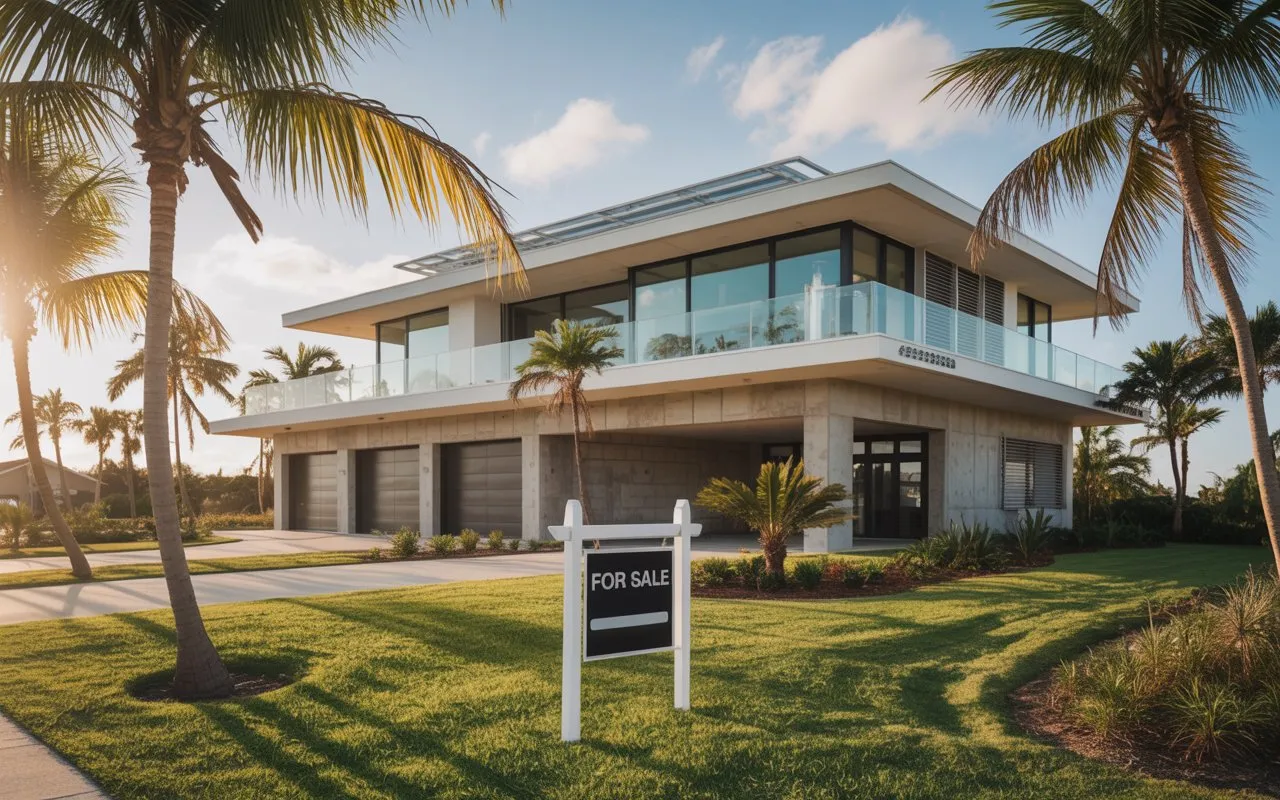
The Florida Building Code (FBC) sets minimum standards for safety and durability. Homes built after 2002 are generally much better equipped to handle hurricanes.
Key requirements include:
-
Homes designed to resist winds up to 130–180 mph (depending on zone)
-
Strong connections between the roof, walls, and foundation
-
Impact protection for windows and doors
-
Roof designs tested for uplift and pressure
In simple words, modern Florida homes are engineered to stay together, even when the wind is trying to tear them apart.
How Florida Homes Are Built to Handle Hurricanes
1. Strong Foundations and Structural Design
Most newer Florida homes are built on reinforced concrete slabs or elevated foundations in flood-prone areas.
Why this matters:
-
Concrete adds weight and stability
-
Elevation reduces flood damage
-
Reinforced foundations resist shifting during high winds
Coastal homes are often raised several feet above ground to avoid storm surge and flooding.
The roof is usually the first part of a house to fail in a hurricane. Florida building codes address this directly.
Common hurricane-resistant roof features:
-
Hurricane straps or clips connecting the roof to the walls
-
Hip roof designs, which handle wind better than flat or gable roofs
-
Metal or impact-rated shingles designed to resist uplift
-
Roof decking secured with extra fasteners
If the roof stays on, the rest of the house has a much better chance of surviving.
3. Impact-Resistant Windows and Doors
Flying debris is a major cause of damage during hurricanes. That’s why many Florida homes now use:
These windows are tested by firing objects at them at high speeds. Even if the glass cracks, it stays intact—preventing wind pressure from building up inside the home.
Homes without impact windows often rely on hurricane shutters as an alternative.
4. Wind Load Engineering
Florida homes are designed based on wind zones.
-
South Florida and coastal areas face the highest wind requirements
-
Structural calculations account for wind pressure on walls, roofs, and openings
-
Homes are built to prevent uplift and structural collapse
This is why two houses may look the same—but perform very differently during a storm.
New Homes vs. Older Homes in Florida
This is a critical difference.
Homes Built After 2002
-
Follow the modern Florida Building Code
-
Much higher hurricane resistance
-
Often qualify for insurance discounts
Homes Built Before 2002
-
May not meet current standards
-
Often lack impact windows or roof straps
-
More vulnerable unless upgraded
Older homes can still be safe—but retrofitting is often necessary.
Common Hurricane Upgrades for Older Florida Homes
If you own or plan to buy an older house, here are smart upgrades:
-
Install hurricane straps
-
Upgrade to impact-resistant windows
-
Replace old roofs with hurricane-rated systems
-
Add storm shutters
-
Improve drainage and flood barriers
These upgrades not only improve safety but can also lower home insurance costs in Florida.
Flooding vs. Wind: An Important Reality
Here’s a truth many people miss:
Even a hurricane-resistant home can still be damaged by flooding.
Florida building codes focus heavily on wind resistance, but:
-
Storm surge
-
Heavy rainfall
-
Poor drainage
…can still cause major damage, especially in low-lying areas.
That’s why elevation, proper grading, and flood insurance matter just as much as strong walls and roofs.
Are Florida Homes “Hurricane-Proof”?
Not exactly.
No home is 100% hurricane-proof. However, many Florida homes are:
The goal is survival and reduced repair—not total immunity.
What to Look for When Buying a Hurricane-Resistant Home in Florida
If you’re house hunting, keep an eye on these features:
-
Built after 2002 (or recently renovated)
-
Impact windows or shutters
-
Hip roof with hurricane straps
-
Elevated foundation in flood zones
-
Compliance with the Florida Building Code
A local inspector with hurricane experience can be incredibly valuable here.
Final Thoughts: Are Houses in Florida Built to Withstand Hurricanes?
Yes—Florida homes are among the best-designed in the U.S. for hurricane conditions, especially newer builds. Strong codes, modern materials, and smarter designs make a big difference.
But the level of protection depends on:
If you understand these factors, you can choose or upgrade a Florida home that offers real peace of mind during hurricane season.